Burnsville Home Inspection Checklist (2026)
The 100-word answer: A Burnsville home inspector checks every readily accessible major system of the house — roof, exterior and grading, structure and foundation, basement, attic, insulation and ventilation, electrical, plumbing, heating and cooling, interior, built-in appliances, and the garage. The inspection is visual and non-invasive, takes 3 to 4 hours, and produces a photo-documented report you receive in 24 hours. In Burnsville specifically, your inspector also watches for era-defined red flags: aluminum branch wiring (1965–76), Federal Pacific or Zinsco panels, polybutylene plumbing (late-80s/early-90s), bath fans venting into the attic, and bluff or clay-soil foundation movement.
Use this page two ways. First, as a buyer's pre-offer checklist — walk the home with it and decide whether the property is worth an offer. Second, as a map of exactly what a professional inspection covers, so you know what your SPEC report will and won't include before you book. If you want the deeper buyer playbook with neighborhood maps and negotiation tiers, read our Burnsville buyer's inspection guide; if you want the formal scope, see our home inspection service page.
The Master Checklist: 12 Systems Every Inspection Covers
A standard inspection follows the same order on every Burnsville home, working from the outside in and from the top down. Here is the full sequence with the most important items inside each system.
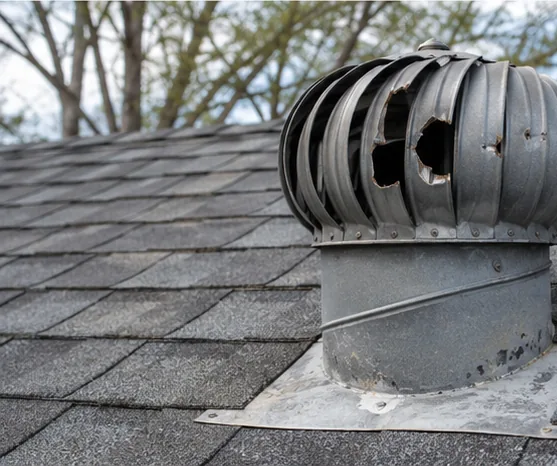
1. Roof & roof coverings
- Shingle type, age, granule loss, curling, lifting and hail bruising
- Flashing at valleys, walls, chimneys and plumbing-vent boots
- Gutters, downspouts and downspout extensions away from the foundation
- Chimney crown, cap and masonry condition
- Ice-dam evidence along north-facing eaves — common on Burnsville split-levels
2. Exterior & site grading
- Siding, trim, soffits and fascia (watch for LP/Masonite swelling on 80s–90s homes)
- Windows, exterior doors and caulking/sealant condition
- Decks, ledger flashing and railing height/spacing — Burnsville enforces deck permits
- Walkways, driveway, retaining walls and window wells
- Grade slope: the ground should fall away from the foundation, not toward it
4. Structure & foundation
- Foundation walls (poured concrete or block) for cracks, bowing and movement
- Beams, posts, joists and visible framing
- Slab condition and any sloping or out-of-level floors
- Step-cracking and settlement — see the bluff/clay/sand notes below and our foundation crack guide
5. Basement & moisture control
- Walls and floor for staining, efflorescence and past water intrusion
- Sump pump operation, pit, float switch and discharge line
- Evidence of interior or exterior drain tile and floor drains
- Window wells, basement egress and any musty odor (see wet basement causes)
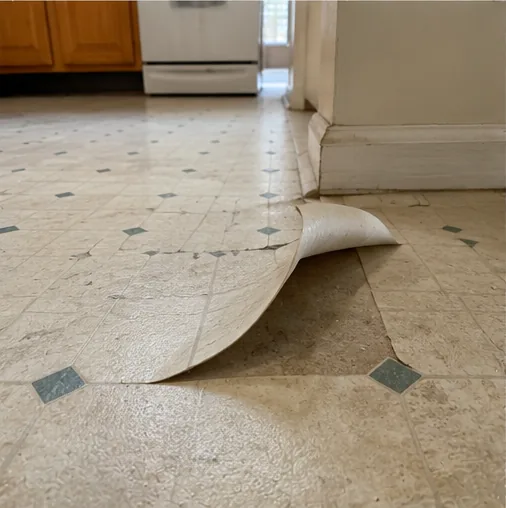
6. Attic, insulation & ventilation
- Attic sheathing for moisture staining and mold (see mold on attic sheathing)
- Insulation type and depth against current energy expectations
- Intake (soffit) and exhaust (ridge/box) ventilation balance
- Bath and kitchen fans must vent outside — fans dumping into the attic are a top Burnsville finding
7. Electrical system
- Service size, main panel opened and photographed, panel brand identified
- Federal Pacific Stab-Lok and Zinsco panels flagged for replacement evaluation
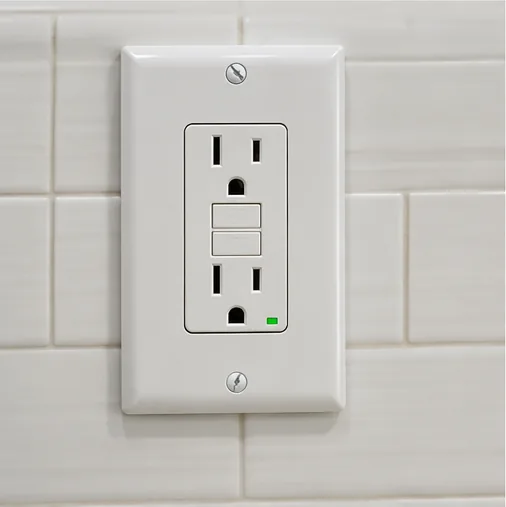
- Sample of GFCI outlets (kitchen, baths, garage, exterior) and AFCI protection tested
- Aluminum branch wiring identified — see our aluminum wiring guide
- Visible junctions, grounding/bonding and smoke/CO alarm presence
8. Plumbing system
- Supply material identified: copper, PEX, galvanized, or polybutylene (see polybutylene plumbing)
- Drain/waste/vent material — original cast-iron stacks flagged on 70s homes
- Functional flow and drainage at every accessible fixture
- Water heater age, capacity, TPR valve, venting and connections
- Visible shut-offs, hose bibs and signs of past leaks
9. Heating & cooling (HVAC)
- Furnace operated; estimated age and remaining service life noted
- Temperature rise documented; heat exchanger inspected where visible
- Air conditioning operated when outdoor temperatures allow it safely
- Ductwork, filter, condensate handling and thermostat function
10. Interior
- Floors, walls and ceilings for damage, stains and movement
- Stairs, handrails and guardrails for safety and spacing
- Representative doors, windows, outlets and switches in every room
- Fireplace, hearth and visible flue condition
11. Built-in appliances
- Built-in oven, range, cooktop, microwave and dishwasher operated for basic function
- Anti-tip bracket on the range and safe gas/electric connections
12. Garage
- Slab cracking and settlement (Buck Hill outwash-sand lots settle differentially)
- Firewall separation and self-closing service door into the home
- Overhead door balance and the photo-eye auto-reverse safety
Note: item 3, the exterior envelope between roof and structure, is inspected continuously alongside items 2 and 4 — we keep the canonical 12-system framework so your checklist matches the report's table of contents.
Burnsville Red-Flag Watchlist by Home Era
This is the part a generic national checklist can't give you. Burnsville incorporated in 1964 and built out in distinct waves, and each wave carries a signature defect. Match the home's build year to the table, then look for the specific red flag.
| Build era | Red flag to watch for | Why it matters |
|---|---|---|
| 1965–1976 | Aluminum branch wiring | Connections loosen and overheat; needs AlumiConn/COPALUM remediation, not panel swaps alone. |
| 1965–1979 | Federal Pacific (Stab-Lok) & Zinsco panels | Breakers can fail to trip under fault; flagged for licensed-electrician evaluation. |
| 1970s | Cast-iron drain stacks & bath fans into attic | Corroding stacks crack; attic-vented fans drive sheathing mold and ice dams. |
| 1986–1995 | Polybutylene supply plumbing | Gray flexible pipe with acetal fittings; known for sudden failures and insurer scrutiny. |
| 1980s–1990s | LP/Masonite hardboard siding | Swells and delaminates at bottom edges where moisture wicks up. |
| Any era, River Hills bluff | Bluff-edge step-cracking & settlement | Minnesota River bluff lots move over time; diagonal foundation cracking is the tell. |
| Central-county clay (till) | Frost & clay heave | High-clay glacial till holds water and heaves; shows as seasonal cracking and sticking doors. |
| South Burnsville (Buck Hill sand) | Differential settlement | Well-draining outwash sand settles unevenly over decades on slabs and garages. |
How the Inspection Day Flows (and Where Each System Fits)
Knowing the order helps you read the checklist above the way the inspector actually works the house. A SPEC inspection in Burnsville runs in a deliberate sequence so nothing gets skipped and findings build into a coherent report:
- Arrival & exterior orientation (first 20–30 min). The inspector walks the lot, photographs all four elevations, reads the grade and drainage, and notes the home's apparent build era — which immediately sets the red-flag watchlist for the rest of the day.
- Roof & envelope. The roof is walked when the pitch and surface are safe, or drone-flown otherwise, followed by siding, soffits, fascia, windows and decks.
- Attic & insulation. Sheathing, insulation depth and fan terminations are checked next, while the inspector is still thinking about the roof above it.
- Mechanical systems. The electrical panel is opened and photographed, the water heater and furnace are inspected and operated, and air conditioning is run when temperatures allow.
- Interior, room by room. Floors, walls, ceilings, stairs, a sample of outlets and switches, built-in appliances, and the fireplace.
- Basement & foundation. Walls, sump pump, floor drains and any moisture history are documented against the soil profile of the neighborhood.
- Add-ons & your walk-through (last 30–45 min). Radon monitor placement or sewer scope if booked, then a verbal walk-through with you on the biggest findings before you leave.
The whole visit runs 3 to 4 hours for a typical Burnsville home — closer to 4 to 5 hours for an older River Hills or Tamarack split-level adding sewer scope and radon. Every finding is photographed on-site and assembled into the report you receive in 24 hours.
Reading Your Red-Flag Findings the Right Way
A long list of items in a report can look alarming, so it helps to know which checklist findings are genuinely deal-shaping in Burnsville versus which are routine maintenance. The five items below are the ones worth slowing down for:
- Aluminum branch wiring (1965–76). Not an automatic deal-breaker, but it changes your insurance options and should be remediated with approved connectors at every device — read the full aluminum wiring breakdown.
- Obsolete panels (FPE Stab-Lok, Zinsco). These are a safety-budget line item, not a cosmetic note; plan for a licensed-electrician evaluation and likely panel replacement.
- Polybutylene supply lines. If the report identifies gray flexible supply pipe, expect insurer questions and a re-pipe conversation — the polybutylene guide explains why.
- Bath fans venting into the attic. A cheap fix, but left alone it grows into the attic sheathing mold that is expensive to remediate and shows up in winter on north-facing roofs.
- Foundation movement on bluff or clay lots. Diagonal step-cracking on a River Hills bluff lot or seasonal cracking on central-county clay deserves a structural opinion before you finalize the offer.
Most Burnsville reports get used to negotiate meaningful repair credits or seller concessions — the value of the inspection is not the list itself, it's knowing which items on the list to act on. For the full negotiation framework and neighborhood-by-neighborhood era map, see the buyer's inspection guide and our Dakota County overview.
What a Home Inspection Does NOT Include
A standard inspection is visual and non-invasive — the inspector won't open walls, move your future seller's belongings, or take equipment apart. The following are outside a standard inspection but available from SPEC as separate services or specialty add-ons:
- Radon — Dakota County sits in an elevated-radon zone; book radon testing alongside the inspection.
- Sewer lateral interior — clay/cast-iron laterals on pre-1985 homes need a sewer scope.
- Mold air quality — visual mold is noted, but air sampling is a separate mold inspection.
- Septic systems, private wells, swimming pools, and formal code-compliance certification.
Thermal imaging is the exception in your favor: SPEC includes FLIR thermal imaging on every inspection to surface hidden moisture and missing insulation that a visual-only checklist would miss.
Should You Use This Checklist Yourself, or Hire an Inspector?
Use the checklist on your first walk-through to decide whether to write an offer. It's perfect for catching the obvious: water stains on a basement wall, a furnace with a rusty cabinet and a faded install sticker, an obsolete panel, sloping floors, or a deck with no ledger flashing. What the checklist can't do is replace a licensed inspector's tools and pattern recognition — combustion analyzer on the furnace, thermal camera on the walls, and the trained eye that distinguishes a cosmetic crack from a structural one. The smart sequence: walk the home with this list, write your offer, then book the full inspection inside your 5-to-10-day Minnesota contingency window. First-time buyer? Pair this with our first-time buyer checklist.
Download & Use This Checklist
Want it on your phone at the showing? Save or print this page — every system above is laid out in inspection order so you can tick items off room by room. When you're ready for the real thing, SPEC delivers a 40-to-80-page annotated report in 24 hours with color-coded repair priorities your agent can take straight to the negotiation table. Start with a FREE instant quote below, or read more frequently asked questions first.