What Do Home Inspectors Look For?
Quick answer: A home inspector evaluates the safety and condition of every accessible major system: the roof and attic, the structural foundation, electrical, plumbing, heating and cooling, insulation and ventilation, and the interior and exterior. The SPEC inspection is a 120-point evaluation that documents defects with photos, a severity rating, and a recommended next step. The goal is to surface safety hazards and costly repairs before you close, not to pass or fail the house.
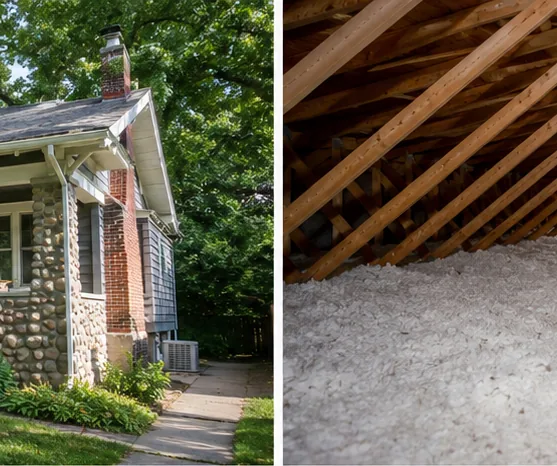
The eight systems we evaluate
A standard inspection follows the InterNACHI Standards of Practice and walks every accessible component in a defined order. Here is what each system covers and what we flag in Burnsville specifically.
| System | What gets checked | Common Burnsville finding |
|---|---|---|
| Roof & attic | Shingle wear, flashing, ventilation, insulation depth, moisture | Bath fans venting into the attic, ice-dam damage on north eaves |
| Structure / foundation | Cracks, movement, water entry, support posts | Step-cracking on River Hills bluff lots, clay-heave floor cracks |
| Electrical | Panel, breakers, grounding, GFCI/AFCI, wiring type | Aluminum branch wiring and Federal Pacific / Zinsco panels (1965-76) |
| Plumbing | Supply lines, drains, water heater, fixtures, leaks | Polybutylene supply lines in late-80s/early-90s homes |
| HVAC | Furnace, AC, ductwork, age, combustion safety | Furnaces and water heaters at or past lifespan |
| Insulation / ventilation | Attic R-value, vapor barriers, exhaust routing | Under-insulated attics driving ice dams |
| Interior | Floors, walls, ceilings, windows, doors, stairs | Window seal failure, settlement cracks at corners |
| Exterior | Siding, grading, gutters, decks, walkways | LP/Masonite siding swell, negative grading to foundation |
What an inspector does NOT do
- Open walls or move heavy furniture (inspection is visual and non-invasive).
- Test for radon, sewer condition, or mold unless you add those services.
- Quote repair costs — we identify findings and recommend the correct licensed trade.
- Predict the future — a passing furnace today can still fail next winter.
A real Burnsville example
On a 1991 two-story near Crosstown Estates, the visible systems looked clean. But at the water heater the inspector traced a gray flexible supply line that turned out to be Polybutylene — a material with a documented failure history. It would never have surfaced from a walk-through; it surfaced because the plumbing system is a defined inspection point. The buyer used the finding to negotiate a re-plumb credit before closing.
Why the 120-point structure matters
A defined checklist is what separates an inspection from a tour. Every accessible component gets evaluated and documented, so nothing falls through the cracks because the inspector was rushed or distracted. Optional tools sharpen the picture further: FLIR thermal imaging finds moisture behind walls, a moisture meter confirms suspect drywall, and a sewer scope sees what no visual check can.