What Does FLIR Thermal Imaging Find?
Quick answer: FLIR thermal imaging detects temperature differences invisible to the eye, revealing problems hidden behind walls and ceilings: moisture intrusion and active leaks, missing or compressed insulation, overheating electrical connections, air leaks, and certain pest and plumbing issues. It doesn't see through walls, but it shows where heat or moisture is moving, pointing the inspector to problems a visual-only inspection would miss. SPEC offers FLIR thermal imaging as an optional add-on.
How thermal imaging works
A thermal camera reads surface temperature, not the inside of a wall. But because moisture, missing insulation, air leaks, and overheating wiring all change the surface temperature in a telltale pattern, the camera shows the inspector exactly where to look closer with a moisture meter or further evaluation. It turns invisible problems into visible thermal signatures.
| What it finds | Thermal signature | Why it matters in Burnsville |
|---|---|---|
| Hidden moisture / leaks | Cool, evaporative patches on walls/ceilings | Ice-dam leaks, roof and plumbing leaks behind finishes |
| Missing insulation | Cold zones in exterior walls and attics | Under-insulated attics that drive ice dams and high bills |
| Overheating wiring | Hot spots at breakers and connections | Aluminum-wiring connections prone to heating (1965-76) |
| Air leaks / drafts | Streaks of cold infiltration at gaps | Energy loss in cold MN winters |
| Radiant / in-floor heat issues | Uneven heating patterns in slabs | Confirms function in finished basements |
What it does NOT do
- It does not see through walls or produce an x-ray image.
- It does not measure moisture content directly — the inspector confirms suspect areas with a moisture meter.
- It does not replace the 120-point inspection — it augments it.
Where it earns its keep in Burnsville
Two Burnsville-specific uses stand out. First, ice-dam leaks: the camera reveals the cool moisture trails behind ceilings and exterior walls where snowmelt has backed up under shingles. Second, aluminum-wiring connections from the 1965–1976 era can run hot at terminations, and thermal scanning of the panel and accessible junctions flags those hot spots before they become a fire risk.
A real Burnsville example
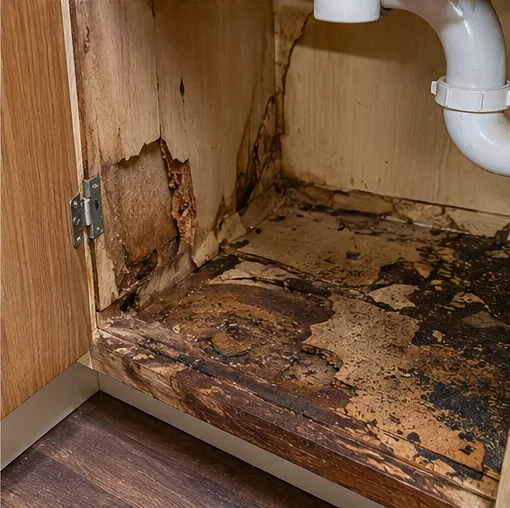
During a thermal scan on a 1990 two-story near Sunset Pond, the camera showed a cool plume spreading from a second-floor bathroom wall down into the ceiling below. Nothing was visible to the naked eye. A moisture meter confirmed elevated readings, and follow-up found a slow supply-line leak behind the vanity. Caught early via thermal imaging, it was a minor repair instead of a major mold and drywall replacement project. See our thermal imaging service.