Chimney Crown Cracks in Burnsville Homes
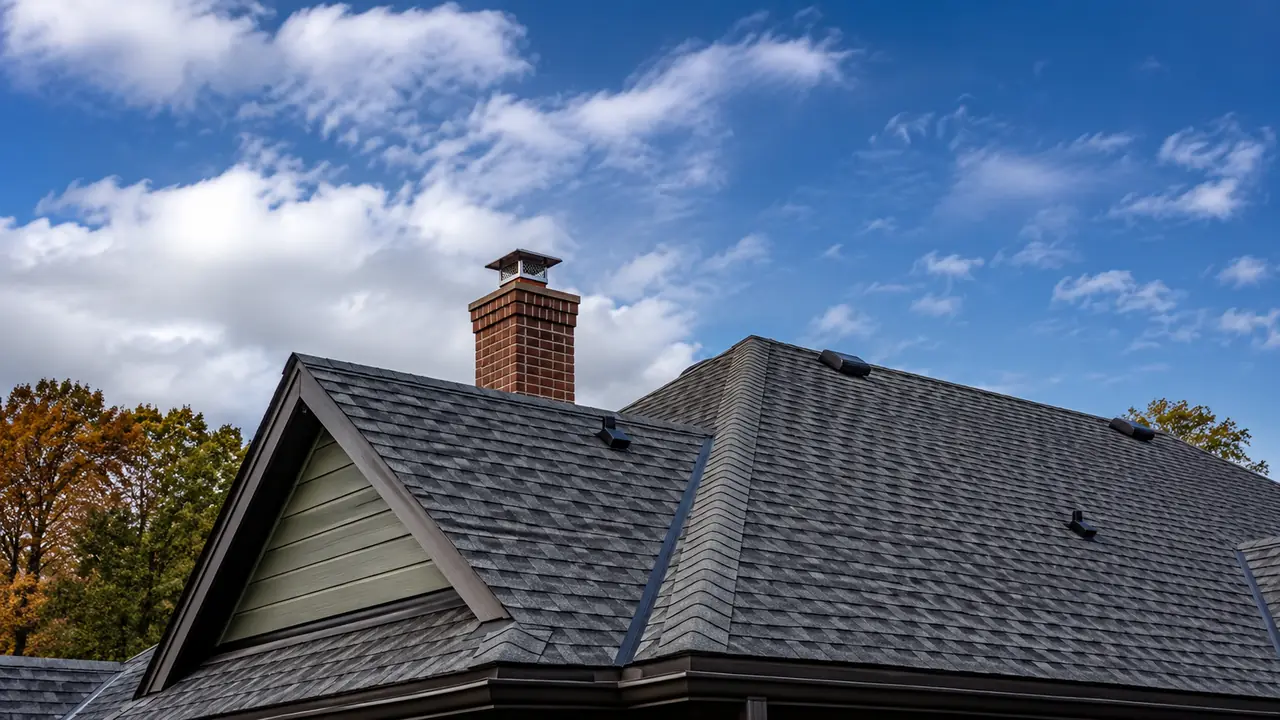
What the Chimney Crown Is
The crown (or wash) is the concrete or mortar cap at the very top of a masonry chimney. It slopes away from the flue to shed rain and snowmelt off the top of the chimney and away from the masonry below. A properly built crown is concrete, slopes to drain, overhangs the brick with a drip edge, and has an expansion gap around the flue. A poorly built one is just a thin smear of mortar troweled flat — and that's what we find on a lot of Burnsville chimneys.
Why It Matters in Burnsville
Burnsville's freeze-thaw climate is brutal on masonry. Water gets into a hairline crown crack, freezes, expands, and widens the crack — repeated dozens of times every winter. Over years, that cycle turns a hairline into an open crack and then into spalling and missing chunks. Because so many Burnsville homes have masonry chimneys built 30–55 years ago, cracked and deteriorated crowns are a routine roof-level finding. Once the crown fails, water pours into the chimney structure and the problems multiply.
Common Causes
The leading causes are freeze-thaw cycling on an already-thin or mortar-only crown, original construction that skipped the proper concrete crown, no expansion joint around the flue (so thermal movement cracks it), settlement or movement of the chimney, and simple age. A missing or rusted chimney cap that lets water sit on the crown accelerates everything.
Risks If Left Unaddressed
A cracked crown lets water into the masonry and the flue. That leads to spalling and deteriorating brick, rusted flashing and a leaking chimney chase, water staining on interior ceilings near the chimney, freeze damage to the flue liner, and — in the worst cases — a structurally compromised chimney. Water intrusion at the chimney is one of the more common sources of the ceiling stains we trace during inspections.
What We Look For
SPEC inspects the crown for cracks, spalling, proper slope, drip edge, and an expansion gap around the flue, either from the roof when safe to access or by drone on steep pitches. We check the chimney cap, the masonry below for spalling and efflorescence, the flashing and counterflashing at the roofline, and the mortar joints. Inside, we correlate any ceiling staining with chimney location. We document everything with photos for your report.
Solutions & Repair Costs
Repair scope depends on severity. Sealing hairline cracks with a crown sealer is a few hundred dollars. Rebuilding a failed crown in proper sloped concrete typically runs from several hundred into the low four figures. If the brick below has spalled or the flashing has failed, costs climb further, and a chimney showing structural movement can require partial rebuild in the mid four figures and up. Adding a proper chimney cap is an inexpensive preventive step. We document the finding and recommend a licensed mason or chimney specialist.