Vermiculite Attic Insulation in Burnsville Homes
What Vermiculite Insulation Is
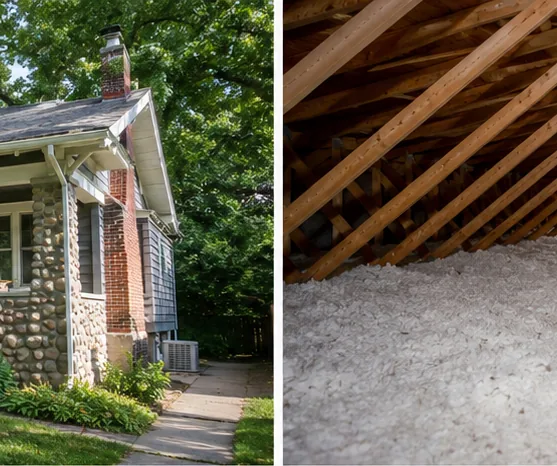
Vermiculite is a natural mineral that expands into lightweight, pebble-like granules when heated, and it was sold for decades as pour-in attic insulation. It looks like small, accordion-layered, gray-brown or silvery-gold pebbles, poured loose between the ceiling joists. The concern isn't the vermiculite itself — it's that a large fraction of the vermiculite sold in North America came from a mine in Libby, Montana, that was contaminated with asbestos. That product was marketed under the Zonolite brand, and asbestos-contaminated vermiculite can be present in homes insulated with it.
Why It Matters in Burnsville
Burnsville's older housing stock — particularly homes built or re-insulated from the 1950s through the early 1980s — occasionally contains poured vermiculite in the attic, sometimes layered beneath newer blown-in fiberglass or cellulose added later. Because the Libby mine supplied so much of the market, the federal guidance is to treat any vermiculite attic insulation as if it may contain asbestos unless lab testing proves otherwise. This is a finding we flag for caution, not panic: undisturbed vermiculite in a sealed attic poses little risk.
Common Causes / Where It's Found
It's almost always in the attic, poured directly onto the ceiling drywall or plaster between joists. It may also be found in concrete-block wall cores. It's frequently hidden under a later layer of fiberglass batts or blown cellulose, which is why an inspector has to look beneath newer insulation in an older home to find it.
Risks If Left Undisturbed vs. Disturbed
The health risk from asbestos comes from inhaling fibers, and fibers are only released when the material is disturbed — by remodeling, running new wiring, adding or removing insulation, or storing items in the attic. Left completely undisturbed and isolated from the living space, the risk is low. The hazard arises specifically when someone disturbs it without knowing what it is. That's why identification at inspection matters so much.
What We Look For
SPEC inspects the attic for the characteristic pebbly loose-fill appearance and checks beneath newer insulation layers in older homes where vermiculite is plausible. When we identify suspected vermiculite, we document it, do not disturb it, and recommend laboratory testing by an accredited lab before any work in the attic. We treat it like the other potential-asbestos materials we flag, such as asbestos-cement siding and pipe insulation.
Solutions & Repair Costs
Options depend on lab results and your plans. If the attic will be left undisturbed, the safest and cheapest course is often to leave it in place, seal penetrations into the living space, and simply avoid disturbing it. If it tests positive and must be removed for a remodel or re-insulation, professional asbestos-abatement removal is the path, and that runs from several thousand dollars up depending on attic size and access. We identify the material and recommend a licensed asbestos-abatement professional; we do not test or quote abatement ourselves.