Burnsville Townhome Inspection
The 100-word answer: A townhome inspection in Burnsville is mostly about what's inside your unit walls — and about knowing exactly where the association's responsibility ends and yours begins. The HOA typically maintains the building exterior and common elements, but your furnace, water heater, electrical panel, plumbing, interior, and often your windows and patio door are yours to inspect and yours to replace. We evaluate the full unit interior plus everything accessible of the shared structure, with special attention to the fire-rated party wall, the firewall continuity in the shared attic, and any signs that deferred association maintenance is heading toward a special assessment.
Where the Association Ends and You Begin
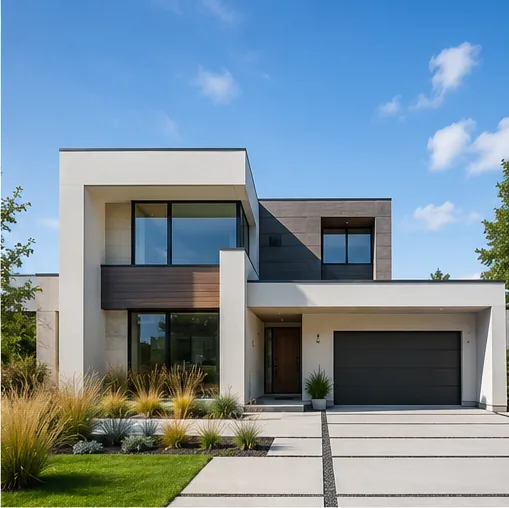
The single most important idea in a townhome inspection is the boundary line. Buyers often assume that because a homeowners association mows the lawn and replaces the roof, the home is essentially maintenance-free and low-risk. It isn't. In a typical Minnesota townhome association, the HOA is responsible for the building exterior and the common elements — roof, siding, shared drives, landscaping — while the owner is responsible for everything inside the unit walls. That means your furnace, your air conditioner, your water heater, your electrical panel and circuits, your plumbing fixtures and supply lines, your interior finishes, and frequently your windows and patio door are all yours. Those are precisely the systems with real money attached, and precisely what a home inspection exists to evaluate. We inspect the full interior of your unit as thoroughly as we would a detached home.
We also observe and report on the shared and exterior elements the HOA maintains — the roof, siding, grading, and common areas we can access — because their condition still affects you. Deferred maintenance on the association side doesn't disappear; it shows up later as a special assessment billed to every owner. We flag the physical signs; you and your agent should pair our report with the HOA's governing documents, reserve study, and assessment history.
The Party Wall and the Shared Attic Firewall
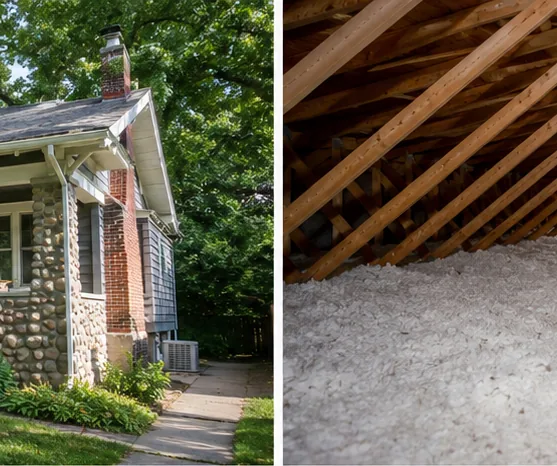
The wall you share with your neighbor — the party wall — is designed to be a fire-rated assembly that slows fire spread between units. We inspect what's visible of it, and the single most important spot is where that rated separation continues up into the attic. In many attached buildings the firewall is supposed to run continuously to the roof deck, and in real life we find gaps: an incomplete top section, a hole cut for later wiring or a fan, or a separation that was never fully built. That firewall continuity is a life-safety item, and it's one of the most common meaningful findings unique to townhome and shared-wall inspections. We also note sound-transmission and any moisture or staining at the shared wall, which can point to insulation or framing issues.
Your Unit's Own Systems Still Age
Because the HOA handles the roof and siding, it's easy to forget that the mechanical systems inside your unit are on their own replacement clock. A townhome's furnace, AC condenser, and water heater age exactly like any other home's, and the association won't replace them. We document the age and condition of each, run furnace temperature rise, operate the AC seasonally, and check the water heater for end-of-life signs. Our HVAC inspection goes deeper on a system near the end of its life, and the water heater past lifespan findings page explains what to watch for. We also open and evaluate the electrical panel and check the unit's plumbing; older associations may have polybutylene supply lines, which we flag.
What Townhome Buyers Most Often Miss
- The HOA boundary. Assuming the association covers more than it does, then being surprised when the furnace or windows turn out to be the owner's.
- The attic firewall gap. A life-safety item invisible from inside the unit.
- Reserve health. A beautiful townhome in an underfunded association can deliver a five-figure special assessment when the roofs come due. Read the reserve study.
- Radon. Townhomes with basements or slab lower levels still draw radon, and Burnsville sits in an elevated-radon area. We recommend radon testing.
- Shared-wall moisture. Water tracking between units along a shared wall or roof valley is easy to miss without thermal imaging, which we run on every inspection.
Shared Plumbing, Sewer, and Utility Lines
Attached housing complicates the things that run between units. Many townhomes share a sewer lateral or tie into a common branch before reaching the city main, which means a backup or a belly can originate outside your unit yet affect you directly. On older associations with pre-1985 laterals, a sewer scope is still worth doing — root intrusion and bellies don't respect property lines, and knowing the condition of the line serving your unit is valuable even when the association nominally owns part of it. We also trace the dryer and bath-fan venting to confirm each terminates outside rather than into a shared soffit or attic, since shared venting routes are a common shortcut in attached construction that drives moisture and attic-sheathing mold. Where a private garage or lower level exists, we check the grading, the slab, and any sump system serving the unit.
Era Matters: Older Associations vs. New Infill
Burnsville's townhomes span a wide age range, and the era changes the inspection. Older 1980s and 1990s associations bring aging shared roofs nearing replacement, original-era furnaces and water heaters in each unit, and the possibility of polybutylene plumbing. The post-2010 Heart of the City redevelopment and newer infill bring modern attached construction with its own profile: deck-ledger flashing details, HVAC commissioning, garage-slab cracking on filled subgrade, and the kind of first-occupancy items a new-construction inspection or 11-month warranty inspection is built to catch. We inspect to the age of the building you're actually buying into.
Local Burnsville Context
Townhome density in Burnsville is concentrated in the Heart of the City core around the Nicollet Avenue and Highway 13 area and in newer infill pockets, with established attached-housing associations scattered through the 1980s-90s neighborhoods. Burnsville's clay-heavy glacial-till soil still drives grading and below-grade moisture concerns at the unit level, and the elevated-radon geology applies to townhomes just as it does to detached homes. For the broader county picture, see our Dakota County home inspection overview. Multi-unit buildings and small rental associations are covered by our multi-family inspection service.
Related Burnsville Inspection Pages
- Burnsville home inspection — what's included and the timeline
- Your Burnsville home inspector — credentials and local expertise
- Burnsville condo inspection — the limited-common-element scope
- Burnsville rambler inspection — single-level homes
- Burnsville split-level inspection — the city's signature type
- Our full 120-point home inspection
- SPEC Home Services home