Burnsville Manufactured & Modular Home Inspection
The 100-word answer: Inspecting a manufactured home is a different discipline because the home was built in a factory to the federal HUD code and rests on a steel chassis supported by piers and held down by tie-down anchors — not a poured foundation. The heart of the inspection is underneath: pier spacing and settlement, tie-down corrosion and adequacy, the steel I-beam frame, the belly wrap, and the skirting. Above, we verify the HUD certification tag and the data plate that lists the home's wind and snow-load zone. Modular homes are built to the same code as a site-built house and inspect much like a conventional home.
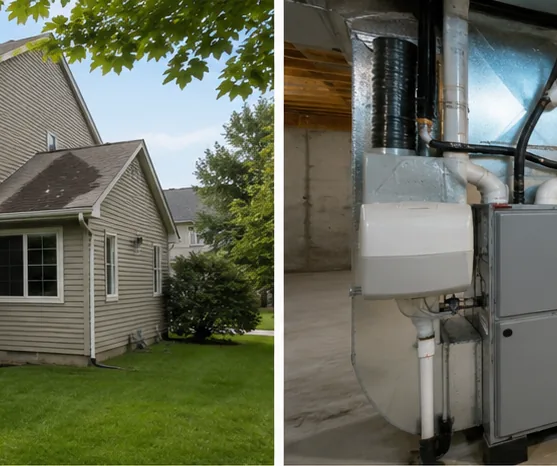
Manufactured, Modular, or Mobile: Know What You're Buying
The first job in a factory-built-home inspection is establishing what the home actually is, because the words get used loosely and the inspection differs for each. A manufactured home is built entirely in a factory to the federal HUD code and shipped to the site on its own permanent steel chassis. A mobile home is the term for these homes built before June 15, 1976, when the HUD standard took effect; pre-HUD units predate that code and warrant extra scrutiny. A modular home is also factory-built, but to the same state and local building code as a site-built house, then set on a permanent foundation. We confirm the category on site, because a manufactured home needs HUD-tag verification and a chassis, pier, and tie-down review that a modular or site-built home simply doesn't have.
The HUD Tag and Data Plate
Every manufactured home built after June 15, 1976 carries a HUD certification label — a red metal tag riveted to the exterior of each section — certifying it was built to the federal code. Inside, usually in a kitchen cabinet, bedroom closet, or near the electrical panel, is a paper data plate that lists the home's design wind zone, roof snow-load zone, and thermal zone. We verify the tag is present and locate the data plate, because together they confirm the construction standard and the climate the home was designed for. That matters in Minnesota, where snow load and frost are real design factors. A missing HUD tag is not just paperwork — it can complicate financing, insurance, and resale, so we flag it clearly.
Under the Home: Piers, Tie-Downs, and the Frame
The support and anchoring system is where the most important manufactured-home findings live, and it's why this inspection includes time spent under the home. We evaluate:
- Pier supports — proper spacing, full contact with the frame, and any settlement. Settled or improperly spaced piers let the home sag, which telegraphs into sticking doors, drywall cracks, and uneven floors inside.
- Tie-down anchors and straps — present, properly tensioned, and free of corrosion. Missing or rusted tie-downs are a serious finding because they're the home's resistance to wind and frost movement.
- The steel I-beam frame — checked for damage, sagging, and rust, especially where moisture collects.
- The belly wrap and underfloor insulation — inspected for tears, sagging, and rodent intrusion, all of which lead to cold floors, energy loss, and pipe-freeze risk in a Minnesota winter.
- Skirting — checked for condition and for proper ventilation, since the under-home space needs to breathe to control moisture.
Issues Specific to Factory-Built Homes
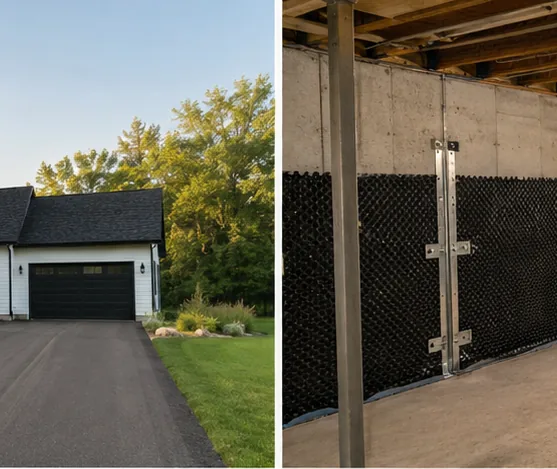
Beyond the support system, manufactured homes have their own catalog of findings. On multi-section (double-wide) homes, the marriage line where the halves join is a recurring problem area — roof ridge alignment, the sealed joint against water intrusion, and the floor and ceiling connection. We check the electrical crossover connection between sections, the original ductwork that runs in the belly, and the manufactured-home-specific furnace and water-heater types, which are not always interchangeable with site-built equipment. We also scrutinize any site-added structures — porches, decks, additions, or carports — because these are frequently attached without proper support or flashing and can damage the home or void its HUD compliance. Older units may carry period wiring and plumbing materials we flag, and we still document the roof, exterior, and interior systems just as we would on any home. Our electrical inspection and HVAC inspection services dig deeper where a system warrants it.
How Modular Homes Inspect Differently
A modular home is a different animal. Because it's built to the same building code as a site-built house and set on a permanent foundation, we inspect it much like any conventional home: full foundation and basement or crawl space, roof, mechanical systems, and interior. The one area that gets extra attention is the marriage line where the modules join and the proper setting and anchoring of the modules onto the foundation. If your home is modular on a permanent foundation, our standard 120-point home inspection framework applies with that added focus.
What Manufactured-Home Buyers Most Often Miss
- The missing HUD tag. Buyers rarely check, and its absence can derail financing and insurance later.
- Settled piers. The sticking doors and floor slope inside are symptoms; the cause is under the home.
- Corroded or absent tie-downs. A safety issue that's invisible without going underneath.
- Site-added porches and rooms. Improperly attached additions that pull on the home or trap water.
- Skirting and belly damage. Open or torn belly wrap invites rodents, cold, and frozen pipes.
- Radon on slab or crawl setups. Burnsville sits in an elevated-radon area; we advise on radon testing where the setup warrants it.
Local Burnsville Context
Manufactured and modular homes sit within Burnsville's broader Dakota County housing landscape, and the same regional factors apply: a Twin Cities frost depth of 42 to 60 inches that makes proper anchoring and footing depth critical, clay-heavy glacial-till soil that drives settlement, and an EPA elevated-radon designation across the area. We bring the same FLIR thermal imaging and 24-hour report turnaround to a manufactured home that we bring to any inspection. For the wider county picture, see our Dakota County home inspection overview.
Related Burnsville Inspection Pages
- Burnsville home inspection — what's included and the timeline
- Your Burnsville home inspector — credentials and local expertise
- Burnsville rambler inspection — single-level homes
- Burnsville split-level inspection — the city's signature type
- Burnsville townhome inspection — shared walls and the HOA boundary
- Our full 120-point home inspection
- SPEC Home Services home