North Burnsville Home Inspector
The 100-word answer: North Burnsville is two neighborhoods in one. Along the Minnesota River bluff, the River Hills area carries 1970s and 1980s homes on dramatic sloped terrain where the inspection priority is bluff-edge soil movement and slope drainage. Closer to Nicollet Avenue and Highway 13, the Heart of the City district is post-2010 infill — townhomes, condos, and mixed-use — where the priority is builder-defect detail: deck-ledger flashing, HVAC commissioning, and garage slabs on filled ground. SPEC Home Services inspects both the right way, delivers reports in 24 hours, and gives you a free instant quote in under 60 seconds.
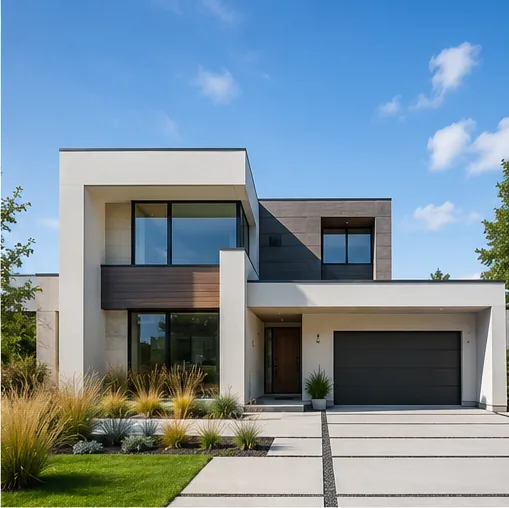
A Tale of Two North Burnsvilles
No other part of Burnsville is as split-personality as the north end. Up against the Minnesota River bluff, River Hills is one of the city's most distinctive neighborhoods — homes from the 1970s and 1980s perched on real topography, with walkout lowers, tuck-under garages, and views toward the river valley. Then, a short drive east toward Nicollet and the Highway 13 interchange, you reach Heart of the City, the redevelopment district that has turned the old commercial core into a dense, walkable mix of newer townhomes, condominiums, and apartments built mostly after 2010.
Because the housing eras are 30 to 40 years apart, the inspection has to flex. A River Hills bluff home and a Heart of the City townhome share a zip code and almost nothing else. The mistake a generic inspector makes is running the same checklist on both. SPEC tunes the inspection to what the specific house actually is.
River Hills and the Bluff-Edge Reality
The defining feature of River Hills is the bluff. These homes sit near a long natural slope that drops toward the Minnesota River floodplain, and that geography drives the most important findings up here. Over decades, soil on a slope creeps downhill almost imperceptibly. Combine that with poorly managed surface drainage and you get a recognizable pattern: stair-step cracking in concrete-block foundation walls, retaining walls that have begun to tilt or bow, patios and additions pulling away from the original structure, and doors and windows on the downhill side that have gone out of square.
We inspect bluff-side homes specifically for this movement. We read the foundation walls for the direction and severity of cracking, check whether grading and downspouts are throwing water toward the slope or safely away from it, and evaluate any retaining walls holding back the grade. The goal isn't to scare you off a beautiful River Hills home — most movement is old and stable — but to tell you precisely what's moving, how fast, and what it will cost to manage. See our writeup on cracked foundation walls.
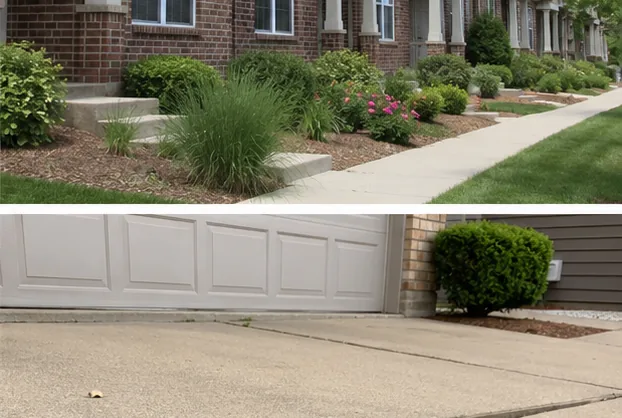
The 1970s-80s River Hills Systems
The age of River Hills also brings the older-Burnsville systems profile, though a notch newer than the South Burnsville split-levels. Late-1970s and early-1980s homes can still carry aluminum branch wiring at the tail end of that era, original panels worth a hard look, and — on the later end of this neighborhood's buildout — early runs of polybutylene plumbing, the gray flexible pipe prone to failing at the fittings. We open the electrical service, document the plumbing supply material, and check the furnace and water heater against expected lifespans. Walkout lowers and tuck-under garages also create specific moisture paths we trace with FLIR thermal imaging when added.
Heart of the City: New Construction Still Has Defects
The other half of North Burnsville is the opposite challenge. Heart of the City homes are new enough that buyers assume they're flawless — and that assumption costs people money. Post-2010 construction has its own reliable defect set. Deck ledgers that weren't flashed correctly. HVAC systems that were never properly commissioned, so airflow and refrigerant charge are off. Garage and basement slabs poured on filled, under-compacted subgrade that crack and settle in the first few years. Siding, kick-out flashing, and window details that were rushed on a fast-moving build. We inspect newer homes for exactly these patterns.
If the home is still inside its builder warranty, the highest-value inspection you can buy is an 11-month warranty inspection — a full evaluation timed just before the one-year warranty expires, so the builder fixes the punch list on their dime instead of yours. For newer North Burnsville homes, this single inspection routinely pays for itself many times over.
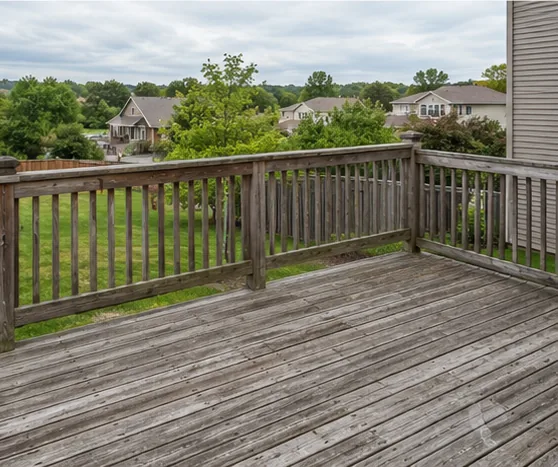
Townhomes, Condos, and the HOA Line
A large share of Heart of the City inventory is attached — townhomes and condominiums under a homeowners association. We inspect attached homes around the unit you're actually buying: its furnace, water heater, electrical panel, plumbing, windows, and any private deck or patio, plus the drainage and shared-wall clues we can read. Just as importantly, we help you understand the structure of HOA responsibility, so you know what the association maintains (often the roof, siding, and common drainage) versus what's on you. Buying an attached home without understanding that line is how people get surprised after closing.
Radon Along the River
Burnsville sits in the EPA elevated-radon zone, and North Burnsville is no exception. Along the River Hills bluff, proximity to limestone bedrock can add radon load. Many newer Heart of the City homes were built radon-ready with a passive vent stack — but a passive stack only works if it's actually pulling, and that has to be tested to confirm. We recommend a 48-hour continuous radon test on every North Burnsville inspection, old or new. More on radon over the EPA action level.
What's Included
Every North Burnsville inspection is a full 120-point evaluation: roof, exterior, attic, insulation, electrical, plumbing, HVAC, water heater, and the full foundation — adapted to whether the home is a 1970s bluff house or a 2015 townhome. FLIR thermal imaging is available as an optional add-on. You get a photo-documented report in 24 hours and a walk-through at the end. See the full home inspection service scope.
Beyond the North End
SPEC inspects across North Burnsville and the neighboring cities, including Eagan just east and Savage across the river. Looking at another part of town? See South Burnsville, East Burnsville, and West Burnsville.
Related Burnsville Resources
- Your Burnsville home inspector — credentials and local expertise
- Burnsville home inspection — what's included and the timeline
- Dakota County home inspection — county-wide context
- Service area — every city we cover
- Home inspection service — the 120-point scope
- SPEC Home Services home