East Burnsville Home Inspector
The 100-word answer: East Burnsville — the Tamarack-area neighborhoods and the blocks running along the Highway 13 corridor toward Eagan — is newer on average than the city's west and south sides, leaning heavily on 1980–1995 two-story colonials. That era carries one signature concern above all: polybutylene plumbing, the gray flexible water pipe that fails at its fittings. Add LP/Masonite siding failure, first-generation high-efficiency furnaces now at end of life, and clay-till soil that drives wet basements, and you have the east-side defect profile. SPEC Home Services inspects around it, delivers reports in 24 hours, and gives you a free instant quote in under 60 seconds.
The Shape of the East Side
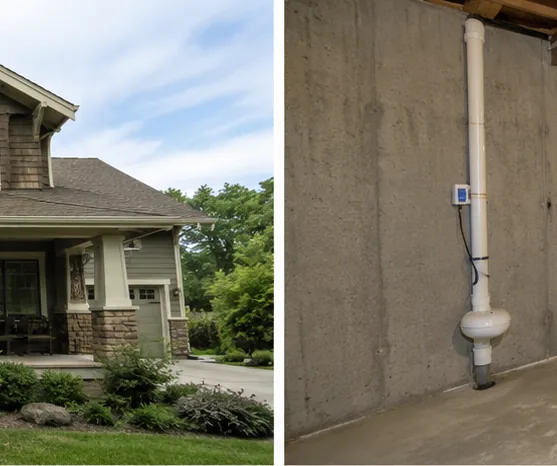
East Burnsville runs from the central city out toward the Eagan border, organized loosely around the Tamarack neighborhoods and the Highway 13 corridor that carries commuters northeast toward Cedar Avenue and the river crossing. This is where Burnsville's second buildout wave landed. By the time developers reached the east side in earnest, the split-level era had given way to the two-story colonial — four bedrooms up, formal living and dining down, an attached two- or three-car garage, and a full basement waiting to be finished. The result is a housing stock dominated by homes from roughly 1980 to 1995, with larger and more elaborate homes scattered through the Tamarack area.
For a buyer, that newer-on-average age is reassuring but also misleading. A 1990 colonial is not a new house. It is a 35-year-old structure with original systems that are now hitting the wall on lifespan all at once — the furnace, the water heater, the roof, and in many cases the plumbing. The east-side inspection is about catching those clustered end-of-life systems before they become your problem.
The Polybutylene Question
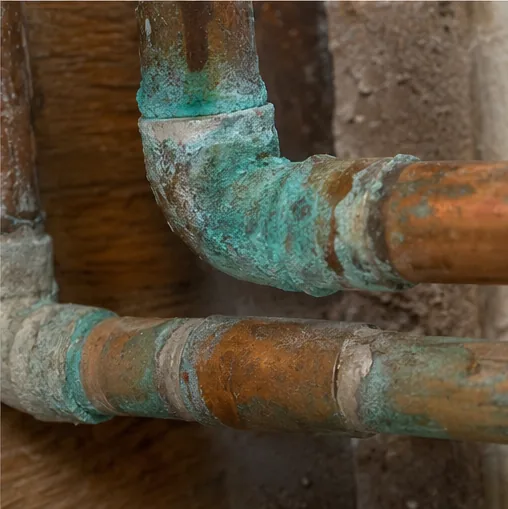
If there is one finding that defines East Burnsville, it is polybutylene plumbing. Through the late 1980s and into the early-to-mid 1990s, polybutylene — usually gray, sometimes blue, flexible plastic pipe — was installed in an enormous number of homes nationwide, and the Twin Cities colonial belt got its full share. The trouble is that polybutylene degrades from the inside when exposed to the chlorine in municipal water, becoming brittle and failing without warning, most often at the crimped or acetal fittings. A single failure can flood a finished basement overnight.
We identify the supply-line material on every east-side inspection. If we find polybutylene, it goes in the report as a priority item with a clear explanation: insurers increasingly decline or surcharge homes that still have it, and a full repipe is the durable fix. Knowing this before you close is leverage — it is exactly the kind of finding that gets used in negotiation.
Siding, Roofs, and the Aging-Envelope Cluster
The 1980s-90s colonial brought a few other materials worth flagging. LP and Masonite hardboard siding from this window absorbs water at the bottom edges, around fasteners, and at unsealed cut ends, then swells, delaminates, and rots — especially on the weather-facing elevations and near grade. We inspect siding closely on east-side homes and document the condition elevation by elevation. The original asphalt roof on a 1990 home is also now well past the 25-year mark; we evaluate remaining life and look for the granule loss, curling, and flashing failures that signal it is time. See shingle granule loss and soffit and fascia rot.
HVAC at the Cliff Edge
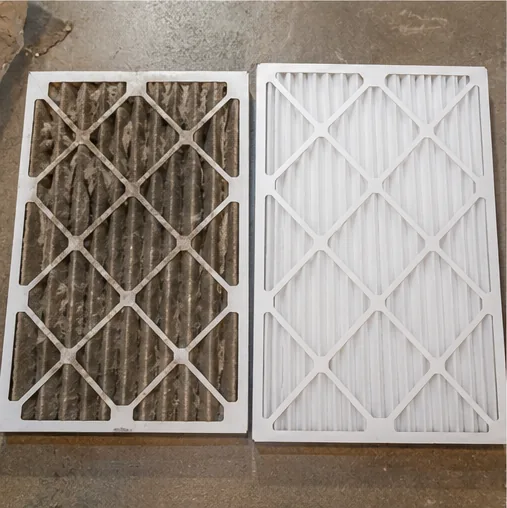
First-generation high-efficiency (condensing) furnaces became standard in this era, and the early ones are now reaching or exceeding their expected service life. The same is true of the original water heaters. We document the age, condition, and combustion safety of the heating system and water heater, run the air conditioning when the season allows, and tell you plainly which mechanicals are living on borrowed time. A clustered furnace-and-water-heater replacement is a real number, and you want it on the table before closing, not after. Read about HVAC past its lifespan and water heaters past lifespan.
Clay-Till Soil and Wet Basements
Most of East Burnsville sits on glacial-till clay — dense, water-retaining soil that swells when wet and heaves with frost. Clay is the engine behind the east side's most common basement findings. Water that isn't drained away from the foundation sits against the wall and finds its way in through cracks and cold joints. We check exterior grading and downspout discharge, evaluate the sump system, and read the foundation walls for movement and seepage. Our guides on wet basement causes and efflorescence on basement walls explain what the staining and white mineral deposits actually mean.
Larger Tamarack Homes Take Longer — On Purpose
The Tamarack area includes some of the larger, more complex homes on the east side: multiple HVAC zones, more roof surface and valleys, finished lower levels, elaborate decks, and bigger exterior systems. These inspections sometimes run four to five hours, particularly when sewer scope and radon are added, and the report tends to be longer. That extra time is the point. A bigger house has more places for problems to hide, and SPEC inspects every one of them rather than rushing a square-footage-driven walkthrough.
Radon Doesn't Care How New the House Is
Buyers often assume a 1990s home is too new for radon. It isn't — radon is a soil-gas issue, and Burnsville is in the EPA elevated-radon zone. East-side basement tests routinely come back at or above the 4.0 pCi/L action level. We recommend a 48-hour continuous radon test on every East Burnsville inspection. If it's high, mitigation is straightforward. More on radon over the EPA action level.
What the Inspection Covers
Every East Burnsville inspection is a full 120-point evaluation — roof, exterior envelope, attic, insulation, electrical, plumbing, HVAC, water heater, and the full foundation and basement. FLIR thermal imaging is available as an optional add-on to find hidden moisture behind finished basement walls. You get a photo-documented report in 24 hours plus a 30-to-45-minute walk-through. See the full home inspection service.
Across the East Side and Beyond
SPEC inspects throughout East Burnsville and right across the line into Eagan, ten minutes east, as well as Apple Valley and Rosemount. Looking elsewhere in town? See South Burnsville, North Burnsville, and West Burnsville.
Related Burnsville Resources
- Your Burnsville home inspector — credentials and local expertise
- Burnsville home inspection — what's included and the timeline
- Dakota County home inspection — county-wide context
- Service area — every city we cover
- Home inspection service — the 120-point scope
- SPEC Home Services home