South Burnsville Home Inspector
The 100-word answer: South Burnsville — the neighborhoods around Crystal Lake, the Buck Hill rise, and the County Road 42 corridor — is the oldest large-scale housing in the city, built mostly between 1965 and 1979 as split-levels and tri-levels in Burnsville's first post-incorporation wave. That era carries a tight, predictable defect cluster: aluminum branch wiring, Federal Pacific and Zinsco panels, cast-iron drain stacks, and bath fans dumped into the attic. Buck Hill's outwash sand settles differently than the clay elsewhere in town. SPEC Home Services inspects these homes around that profile, delivers reports in 24 hours, and gives you a free instant quote in under 60 seconds.
Where South Burnsville Is — and Why It Matters
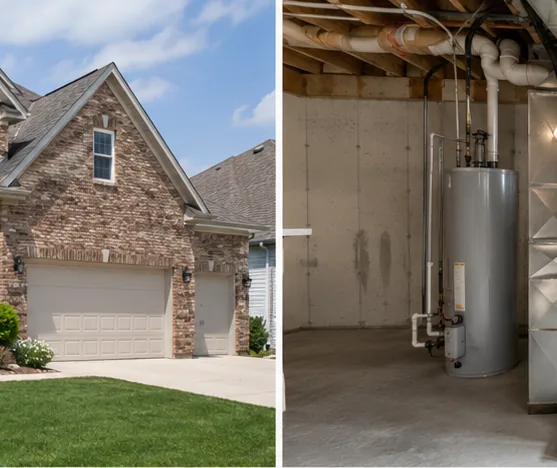
When people say South Burnsville they usually mean everything below the I-35E/I-35W split and County Road 42, fanning out around Crystal Lake, climbing toward the Buck Hill ski area, and running south toward the Apple Valley boundary. This is the part of town that grew first. After Burnsville incorporated in 1964, the developable land closest to Crystal Lake and the new county-road grid filled in fast through the late 1960s and 1970s. The result is block after block of split-entry and tri-level homes on generous lots, with a later layer of 1980s two-story colonials infilling the gaps south of 42.
For a buyer, the age of the housing is the single most important fact about an offer down here. A South Burnsville home is, statistically, going to be a 45-to-55-year-old structure that has been remodeled at least once and may still be carrying original systems behind the cosmetic updates. The job of the inspection is to separate the genuinely updated house from the lipstick-on-a-split-level house. That distinction is worth real money at the negotiation table.
The South Burnsville Split-Level Defect Profile
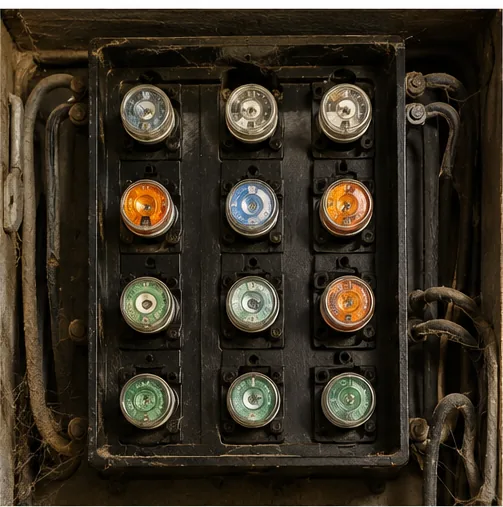
Split-levels concentrate a specific set of findings because of how and when they were built. First, the electrical. Homes wired between roughly 1965 and 1976 frequently used solid aluminum branch wiring for 15- and 20-amp circuits. Aluminum expands, contracts, and oxidizes differently than copper, and the terminations at outlets and switches loosen over decades — a documented fire-risk pattern. We open every panel, photograph the bus and breakers, and flag any aluminum branch wiring for evaluation and proper remediation by a licensed electrician.
Second, the panel itself. A surprising number of South Burnsville homes still run on a Federal Pacific Stab-Lok or Zinsco panel — designs with a known history of breakers that fail to trip under fault. If the panel is original to a 1970s split-level and has never been swapped, it goes in the report as a priority item. Third, the plumbing: original cast-iron drain stacks from this era are now corroding from the inside out, and we listen, look, and where possible scope to gauge how much life is left.
Buck Hill, Outwash Sand, and Foundations
Soil is where South Burnsville diverges from the rest of the city. The Buck Hill rise and the blocks around it sit on glacial outwash sand — material deposited by meltwater rather than the clay-rich glacial till that dominates central Burnsville. Sand is a double-edged thing for a foundation. It drains beautifully, which means South Burnsville basements are statistically a little drier than their clay-bound counterparts to the north and east. But sand also settles, and it settles unevenly over decades, especially under garage slabs, patios, and additions poured on backfill.
So in this part of town we read foundations differently. We're watching for differential settlement: stair-step cracking in block walls, slabs that have dropped at a cold joint, garage floors that have heaved or sunk at the apron, and additions that have pulled away from the original structure. We also still check for the classic split-level vulnerability — the half-flight grade transition where the lower level meets grade tends to take on water and crack if the exterior grading slopes the wrong way. See our note on cracked foundation walls and improper grading.
Crystal Lake and the Mature-Tree Problem
The neighborhoods ringing Crystal Lake have one of the best tree canopies in Burnsville — and that canopy is a sewer-line liability. Laterals serving pre-1985 homes here are typically clay or cast-iron, now 45 to 55 years old, threading through soil packed with silver-maple and oak roots that find every joint. Root intrusion, bellies where a section has settled, and partial collapses are routine findings on Crystal Lake-area scopes. A sewer scope from the cleanout to the city main is one of the smartest add-ons you can buy on a South Burnsville home; you watch the monitor live and keep the video with your report. Our sewer belly writeup explains what those low spots mean.
Radon Down Here Is Real
Burnsville sits squarely in the EPA elevated-radon zone, and South Burnsville is no exception — basement tests routinely return results at or above the 4.0 pCi/L action level. That matters more here than almost anywhere because so many of these split-levels have finished lower levels used as bedrooms, family rooms, and home offices. People spend real time below grade in South Burnsville houses. We strongly recommend a 48-hour continuous radon test on every inspection in this area; if it comes back high, sub-slab depressurization mitigation is straightforward and effective. Read more on radon over the EPA action level.
Attics, Bath Fans, and Ice Dams
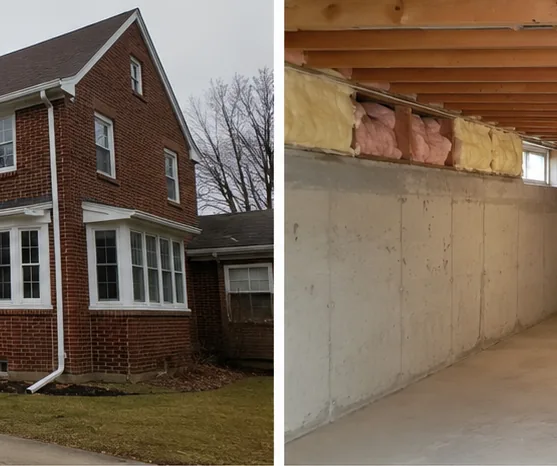
The other defect that follows the 1970s split-level around is the bath fan vented straight into the attic — or terminated in the soffit, which is functionally the same problem. Warm, moist bathroom air condenses on cold roof sheathing all winter and grows the dark staining we find on so many South Burnsville roof decks. It's also a contributor to the ice damming that shows up along north-facing eaves on under-insulated 1970s rooflines. We check fan terminations, attic insulation depth, and ventilation balance on every inspection. See attic sheathing mold and ice dam damage.
What the SPEC Inspection Covers
Every South Burnsville inspection is a full 120-point evaluation: roof (walked when safe, drone-flown otherwise), exterior envelope, attic, insulation and ventilation, the electrical service and panel, plumbing supply and drain systems, the furnace and air conditioning, the water heater, and the full basement and foundation. FLIR thermal imaging is available as an optional add-on to find moisture and missing insulation behind finished walls — useful in remodeled split-levels. You get a photo-documented report in 24 hours, plus a 30-to-45-minute walk-through at the end so you can see the findings with your own eyes. Learn what's included on the home inspection service page.
Serving the Whole South End
SPEC inspects across South Burnsville and right over the lines into the neighboring south-metro cities, including Apple Valley five minutes south, Lakeville further down County Road 5, and Savage across the river. Buying elsewhere in town? We also cover North Burnsville, East Burnsville, and West Burnsville.
Related Burnsville Resources
- Your Burnsville home inspector — credentials and local expertise
- Burnsville home inspection — what's included and the timeline
- Dakota County home inspection — county-wide context
- Service area — every city we cover
- Home inspection service — the 120-point scope
- SPEC Home Services home