West Burnsville Home Inspector
The 100-word answer: West Burnsville — the Sunset Pond and Crosstown Estates neighborhoods running toward the Black Dog area and the Minnesota River lowland near the Savage border — pairs the city's 1980–1995 housing profile with one extra variable: water. Lakeside and pond-side lots sit closer to the groundwater table, which raises hydrostatic pressure on foundations and makes a working sump system non-negotiable. Add polybutylene plumbing common to the era and you have the west-side picture. SPEC Home Services inspects drainage, sumps, and the era's defects the right way, delivers reports in 24 hours, and gives you a free instant quote in under 60 seconds.
The Lay of the West Side
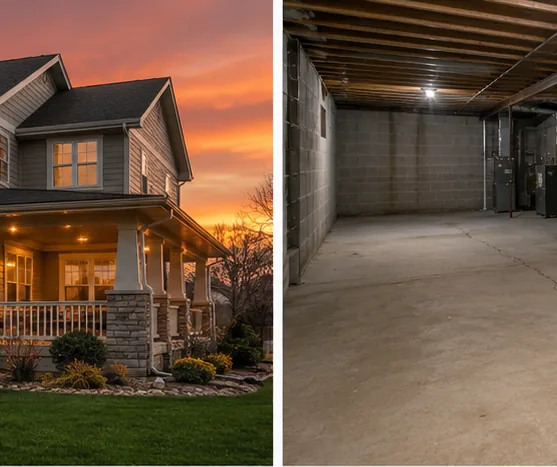
West Burnsville reaches from the Sunset Pond and Crosstown Estates subdivisions out toward the Black Dog neighborhood, the power-plant lowland, and the Minnesota River flats that mark the boundary with Savage across the water. The dominant housing here came up in the 1980s and early 1990s — two-story homes and ramblers on curving streets, many of them backing onto a pond, a wetland, or open water. That waterside character is what makes the west side genuinely different to inspect. Everywhere else in town, the inspection is mostly about the house. Here, it is about the house and the water table it sits above.
For a buyer, a pond-side lot is a real amenity — and a real responsibility. The same proximity to water that makes the backyard beautiful also makes the basement's drainage and the sump system load-bearing parts of the home you're buying. SPEC reads both.
The High-Water-Table Reality
Homes near Sunset Pond, the Black Dog lowland, and the river flats sit closer to the groundwater table than homes on higher ground elsewhere in Burnsville. A higher water table means more hydrostatic pressure pushing against foundation walls and up against the basement slab, particularly in spring and after heavy rain. That pressure is the root cause of the seepage, efflorescence, and cracking we most often find on west-side lots. We inspect the foundation walls for movement and water entry, read the exterior grading for whether it sheds water away from the home, and look hard for the telltale signs of a basement that has taken on water in the past. See wet basement causes and efflorescence on basement walls.
The Sump System Earns Its Keep Here
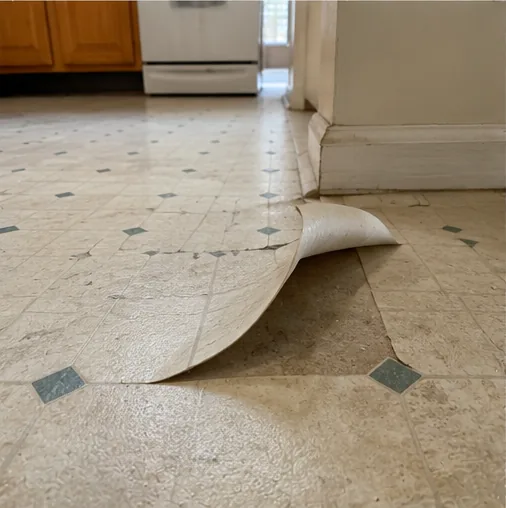
On a high-water-table West Burnsville lot, the sump pump is not a backup device — it is the active system keeping the basement dry. That changes how we inspect it. We confirm the primary pump cycles and pumps, trace where the discharge actually goes (a surprising number dump right back against the foundation, which defeats the purpose), and evaluate the pit and float. On lakeside and pond-side properties we also recommend considering a battery or water-powered backup, because a power outage during a spring storm is precisely the moment the pump is needed most and precisely when it can fail. Read our guide to sump pump backup systems.
The 1980s-90s Plumbing Profile
West Burnsville shares the rest of the city's late-1980s-to-mid-1990s buildout, and that means polybutylene plumbing turns up frequently — especially in Sunset Pond. The gray flexible supply pipe degrades from chlorine exposure and fails at the fittings, and on a pond-side home with a finished lower level, a single failure can do expensive damage. We identify the supply-line material on every west-side inspection and flag polybutylene as a priority item, with the same insurance and repipe context buyers need to negotiate. Older galvanized supply lines, where they survive, get the same scrutiny — see galvanized water lines.
Decks, Docks, and Exterior Exposure
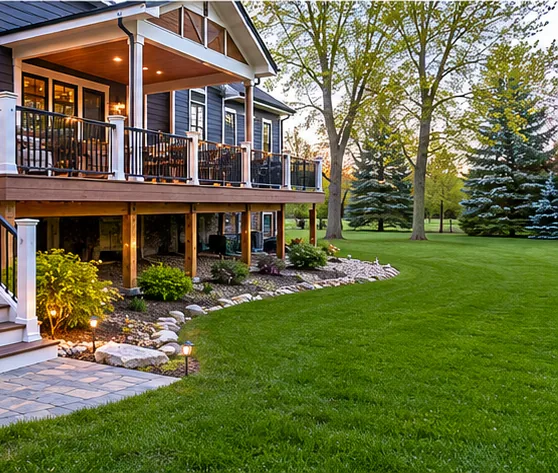
Waterside homes tend to have more elaborate exterior living — larger decks, screened porches, and patios oriented toward the view. That extra exterior structure is extra exposure to weather and moisture, and it's where we find a fair share of west-side findings: deck ledgers that weren't flashed and are wicking water into the rim joist, posts set without proper footings or standoffs, and railings that have loosened. We inspect decks and exterior structures closely and document what we find. Continuous moisture on north and water-facing elevations also accelerates soffit and fascia rot, which we check around the full perimeter.
Radon Is Still on the List
A high water table doesn't lower radon risk — Burnsville sits in the EPA elevated-radon zone, and West Burnsville is no exception. Soil gas finds its way in regardless of how close the groundwater is. We recommend a 48-hour continuous radon test on every West Burnsville inspection, and it matters most on the many homes here with finished lower levels used as living space. If results come back high, sub-slab depressurization mitigation is effective and straightforward. More on radon over the EPA action level.
What the Inspection Covers
Every West Burnsville inspection is a full 120-point evaluation: roof, exterior envelope, attic, insulation, electrical service and panel, plumbing supply and drains, HVAC, water heater, and the full foundation and basement — with extra attention to drainage, the sump system, and water entry given the terrain. FLIR thermal imaging is available as an optional add-on to map hidden moisture behind finished basement walls, which is especially useful on pond-side lots. You receive a photo-documented report in 24 hours and a walk-through at the end. See the full home inspection service.
Across the West Side and Into Savage
SPEC inspects throughout West Burnsville and right across the river into Savage, as well as Prior Lake to the southwest and Apple Valley to the south. Looking at another part of town? See South Burnsville, North Burnsville, and East Burnsville.
Related Burnsville Resources
- Your Burnsville home inspector — credentials and local expertise
- Burnsville home inspection — what's included and the timeline
- Dakota County home inspection — county-wide context
- Service area — every city we cover
- Home inspection service — the 120-point scope
- SPEC Home Services home