The Ultimate Burnsville Home Selling Guide (2026)
The 100-word answer: The cleanest Burnsville sale is the one with no surprises. A pre-listing inspection surfaces the era-specific defects a buyer's inspector will find anyway — aluminum wiring, Federal Pacific panels, polybutylene plumbing, aging furnaces, elevated radon, and bellied sewer lines — so you can fix, disclose, or price for them on your terms instead of renegotiating under a contingency deadline. It supports accurate Minnesota disclosure, removes buyer leverage on safety items, and keeps deals from stalling. Inspect two to four weeks before listing; SPEC delivers the report in 24 hours. Get a free quote in under 60 seconds. Call 218-600-2938.
What's in this guide
- Why sell with a pre-listing inspection
- Minnesota disclosure, done right
- The Burnsville deal-killers to fix first
- What buyers' inspectors find by era
- Fix it, disclose it, or price it
- The seller's timeline
- Permits, decks, and basements
- Where pre-listing prep pays off
- Condition curb appeal
- Repairs versus credits
- The two pre-listing add-ons
- FAQ
Why Sell With a Pre-Listing Inspection
The buyer will inspect. That is the one certainty in a Burnsville sale. The only question is whether you learn about the home's problems first, on your schedule, or second, under a contingency deadline with a buyer holding the report. A pre-listing inspection flips the information advantage to the seller. You see the same 120-point evaluation a buyer's inspector will run, with the same Burnsville-specific focus on wiring, panels, plumbing, and sewer. Then you choose your response calmly instead of reacting to a renegotiation.
Sellers who skip this step routinely lose more at the negotiating table than the inspection would have cost — a single bellied sewer line discovered during the buyer's contingency can swing five figures, and the buyer's emotional reaction to a surprise is rarely generous. The full mechanics of what gets inspected are in the ultimate home inspection guide.
Minnesota Disclosure, Done Right
Minnesota law requires sellers to disclose material facts that could adversely affect the property's value or a buyer's intended use. The problem most sellers face is not dishonesty — it is incomplete knowledge. You cannot disclose a cracked heat exchanger or a polybutylene supply line you do not know about. A documented pre-listing report gives you a factual, good-faith basis for your disclosure statement, which is the single best protection against a post-closing dispute. Disclose what is found, attach the report context where appropriate, and you transform a liability into a credibility signal for buyers.
The Burnsville Deal-Killers to Fix First
Some findings reliably stall or sink Burnsville deals. Address these before listing wherever practical:
| Deal-killer | Common in | Why it matters |
|---|---|---|
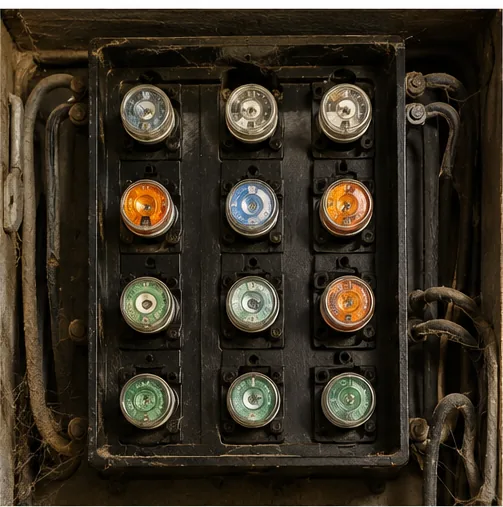
| Federal Pacific / Zinsco panel | 1965–79 homes | Safety item; buyers and insurers push for replacement |
| Aluminum branch wiring | 1965–76 homes | Fire-risk perception; affects insurability |
| Polybutylene plumbing | Late-80s/early-90s | Known failure history scares buyers |
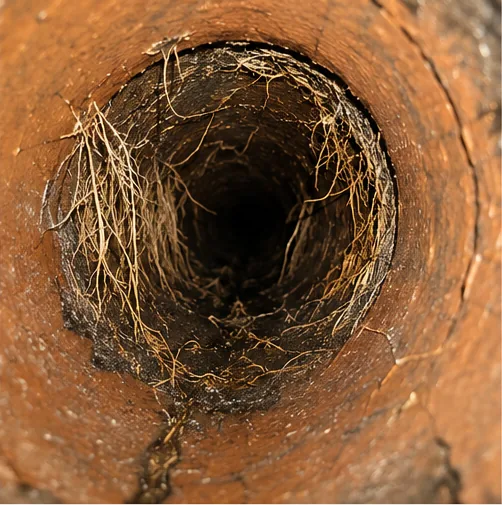
| Failed sewer scope | Pre-1985 laterals | Five-figure repair; surfaces late and ugly |
| Elevated radon | Burnsville-wide | EPA zone; buyers expect a number and a fix |
| Furnace past lifespan / old water heater | 1980s–90s | Imminent capital cost buyers price aggressively |
You don't have to fix every one — but you should know about every one. Browse the full findings library to understand what a buyer's inspector is trained to flag.
What Buyers' Inspectors Find by Era
Match your prep to your home's vintage:
- 1965–1979 split-levels (Crystal Lake area, original Burnsville): wiring and panels are the headline. Have an electrician evaluate the panel and aluminum connections before a buyer's report does.
- 1980–1995 colonials (Sunset Pond, Crosstown Estates, County Rd 42): polybutylene plumbing and end-of-life furnaces. Consider servicing or replacing mechanicals.
- 1996–2010 subdivisions: deck condition, soffit/fascia rot, and grading. Repaint and re-flash where needed.
- Post-2010 Heart of the City infill: if you bought new, gather your builder warranty and any 11-month-inspection records to hand buyers.
Fix It, Disclose It, or Price It
Every finding gets one of three responses. Fix the safety hazards and high-visibility major defects — a Federal Pacific panel, double-tapped breakers, missing GFCIs, an actively leaking valve. These remove buyer leverage cheaply. Disclose the structural realities you won't repair — bluff-edge foundation movement, a known polybutylene system — so buyers can plan and you stay protected. Price the things that are simply old but functional — a furnace at year 18 — into your asking number so buyers don't feel they discovered a hidden cost. The combination produces a transaction with no late surprises, which is what closes cleanly. For cost framing, see cost factors.
The Seller's Timeline
Inspect two to four weeks before listing. That window lets you complete repairs, gather permits and receipts, and price with full knowledge — and because SPEC delivers the report in 24 hours, the inspection itself never holds up your launch.
- Week -4 to -3: Pre-listing inspection, plus radon and (on pre-1985 homes) a sewer scope.
- Week -3 to -1: Complete priority repairs; collect contractor invoices and permits.
- Week -1: Finalize disclosure; stage and photograph.
- List: Present the home with a clean, documented condition story.
Permits, Decks, and Basements
Burnsville actively enforces deck permits, and the most common closing-table snag is missing permit history on a 2000s-era deck or a finished basement. Pull your permit history from the city before listing. If work was done without a permit, you have time to resolve it on your terms now rather than under a buyer's objection later. A clean permit file is a quiet but powerful trust signal. Realtors can find a packaged version of all this on our realtor resources page.
Where Pre-Listing Prep Actually Moves the Needle
Sellers often spend prep dollars on the wrong things. Cosmetic upgrades photograph well in the listing, but they do not change what a buyer's inspector writes, and it is the inspection report — not the staging — that drives the contingency-period renegotiation. The highest-return prep in Burnsville is almost always on safety and major systems, in this rough order: resolve electrical safety items, service or replace mechanicals nearing end-of-life, fix active water intrusion, and clear permit history. A buyer rarely walks over a dated kitchen; they routinely renegotiate hard over a Federal Pacific panel, a furnace at year nineteen, or a sewer line that fails the scope. Spend where the leverage is.
| Prep spend | Effect on buyer's report | Priority |
|---|---|---|
| Replace Federal Pacific / Zinsco panel | Removes a safety flag and an insurer objection | High |
| Service furnace / replace if past life | Removes an "imminent cost" major defect | High |
| Fix grading & downspouts | Removes a wet-basement risk note | High |
| Resolve unpermitted deck/basement | Removes a closing-table obstacle | Medium-high |
| Repaint, re-carpet, stage | Helps the listing, not the inspection | Low (marketing, not condition) |
Condition Curb Appeal: What Buyers' Inspectors Photograph
Staging sells the emotional appeal; condition sells the inspection. A buyer's inspector ignores your throw pillows and photographs the things that drive their report — and those photos become the buyer's negotiation ammunition. Spend your prep budget where the camera points: a clean, organized utility room reads as a well-maintained home; visible water stains, a rusting water heater, exposed double-tapped breakers, or a furnace with a tagged service sticker from a decade ago read as deferred maintenance. Clear access to the attic hatch, the electrical panel, the furnace, and the crawl space matters too: anything an inspector cannot reach gets flagged as "not inspected," which makes buyers nervous and can trigger a re-inspection. The cheapest improvement you can make before listing is often just clearing the path to the systems and cleaning up the mechanical room.
Repairs Versus Credits: the Seller's Math
When a buyer comes back with inspection objections, you have the same three-way choice in reverse: do the repair, offer a credit, or hold firm. Each has trade-offs. Doing the repair yourself lets you control cost and contractor quality, but it adds time before closing and the buyer may still want it re-verified. Offering a credit is faster and cleaner, keeps the deal moving, and lets the buyer handle their own contractor — but it comes straight off your net. Holding firm works only when the market favors you and the objection is weak. The seller who already did a pre-listing inspection negotiates from strength here, because nothing in the buyer's report is a surprise and the asking price already accounts for known conditions. That is the whole point of inspecting first — it turns the objection conversation from a scramble into a formality. The buyer's side of this same negotiation is in the ultimate home buying guide.
The Two Pre-Listing Add-Ons Sellers Forget
Sellers reliably remember the home inspection and forget the two add-ons that most often blow up a deal during the buyer's contingency:
- Radon. Burnsville is an EPA Zone 1 area, so the buyer will almost certainly test. If you test first and the result is elevated, you can mitigate proactively and market a documented system as a feature rather than absorbing a last-minute concession. See the ultimate radon guide and radon testing.
- Sewer scope. On a pre-1985 home, a failed lateral discovered by the buyer's scope is one of the most common deal-enders. Scope it first; if it's clean, you have proof, and if it's not, you control the repair on your timeline. See the ultimate sewer scope guide and sewer scope.
Both are inexpensive relative to the leverage they remove from a buyer, and both fit neatly into the two-to-four-week pre-listing window.
Related Burnsville Resources
- Ultimate home buying guide — understand the buyer's playbook
- Pre-listing inspection service
- Ultimate radon guide · Ultimate sewer scope guide
- Burnsville home inspection · Dakota County inspection
- Sample report · Realtor resources
- Eagan · Lakeville · Full service area