The Ultimate Burnsville Home Buying Guide (2026)
The 100-word answer: Buying a home in Burnsville is a timed game. Once your offer is accepted, your Minnesota purchase agreement starts a 5-to-10-day inspection contingency clock. The winning sequence: schedule a 120-point inspection within 24–48 hours, add radon (Burnsville is in an EPA elevated-radon zone) and a sewer scope on any pre-1985 home, receive the report in 24 hours, and negotiate inside the window. Match your due diligence to the home's era — 1965–76 wiring, 1980s polybutylene, post-2010 build defects — and to its neighborhood soil. Get a free inspection quote in under 60 seconds. Call 218-600-2938.
What's in this guide
- The offer-to-close timeline
- The Minnesota inspection contingency
- Buying by neighborhood
- What to inspect by build era
- The two add-ons that save buyers money
- Negotiating with the report
- Should you ever waive inspection?
- A first-time buyer's checklist
- Financing, appraisal & the inspection
- Red flags to watch on a showing
- From clear-to-close to keys
- FAQ
The Offer-to-Close Timeline
A typical Burnsville purchase runs 30–45 days from accepted offer to keys. The front end is the dense part. The day your offer is accepted, the inspection contingency clock starts and earnest money goes into escrow. Within the first week you inspect, review findings, and either negotiate or proceed. The appraisal and underwriting run in parallel. The final walkthrough happens the day before or morning of closing.
| Stage | Typical timing | Your move |
|---|---|---|
| Offer accepted | Day 0 | Wire earnest money; call to book inspection |
| Inspection | Day 1–3 | Attend; book radon + sewer scope as needed |
| Report delivered | +24 hours | Triage findings with your agent |
| Negotiation | Day 3–7 | Request repairs, credits, or terminate |
| Appraisal / underwriting | Day 7–25 | Lender-driven; supply documents promptly |
| Final walkthrough | Day 29–30 | Verify agreed repairs were completed |
| Closing | Day 30–45 | Sign and take possession |
The Minnesota Inspection Contingency
The inspection contingency is the single most important protection a buyer has. Most Minnesota purchase agreements grant a 5-to-10-day window during which you may have the home professionally inspected and then renegotiate, request repairs, or terminate the agreement and recover your earnest money. The clock is short, so speed matters: an inspection booked within 24–48 hours and a report delivered in 24 hours leaves you several days to act. SPEC's turnaround is built around exactly this window. The mechanics of the inspection itself are covered in the ultimate home inspection guide and the Burnsville home inspection page.
Buying by Neighborhood
Burnsville's neighborhoods buy differently because their soils and build eras differ.
- River Hills — perched on the Minnesota River bluff. Beautiful views, but bluff-edge soils mean step-cracking and slow foundation movement deserve close attention. Have the foundation evaluated carefully.
- Crystal Lake area & Sunset Pond — central-belt glacial-till clay that holds water and heaves with frost. Expect to scrutinize grading, sump systems, and basement moisture.
- Buck Hill / south Burnsville — outwash sands that settle differentially over decades; watch for settlement cracking and uneven slabs.
- Crosstown Estates & the County Rd 42 corridor — heavy 1980s–90s buildout; polybutylene plumbing and aging furnaces are the headline risks.
- Heart of the City — post-2010 infill and townhomes; new-build defects like deck flashing and HVAC commissioning dominate.
Considering nearby markets too? We inspect across the south metro — Apple Valley, Eagan, Lakeville, Savage, and the rest of Dakota County.
What to Inspect by Build Era
Tailor your due diligence to the year built:
- 1965–1979 split-levels — prioritize the electrical system: aluminum branch wiring and Federal Pacific/Zinsco panels. Add a sewer scope; these laterals are clay or cast iron.
- 1980–1995 colonials — prioritize plumbing: polybutylene supply lines and first-generation high-efficiency furnaces at end-of-life.
- 1996–2010 — siding, OSB sheathing, and deck permits; watch for soffit and fascia rot.
- Post-2010 — deck ledger flashing, garage-slab cracking on fill, and grading. The 11-month warranty inspection is the best moment to catch these.
The Two Add-Ons That Save Buyers Money
Two add-ons catch the most expensive surprises in Burnsville:
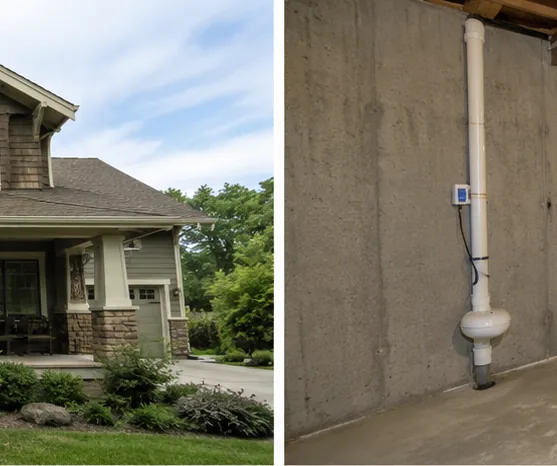
Radon. Burnsville sits in an EPA elevated-radon zone, and basement tests routinely come back at or above the 4.0 pCi/L action level. A 48-hour monitor during your contingency window tells you whether mitigation is needed — and mitigation cost (typically a four-figure sub-slab depressurization system) becomes a legitimate negotiation item. See the ultimate radon guide and radon testing.
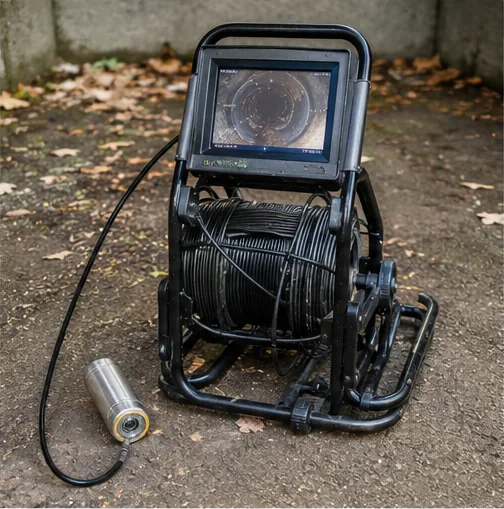
Sewer scope. On pre-1985 homes, the lateral is the single most expensive thing you can't see. A bellied or root-choked line that needs replacement is a five-figure problem, and a standard visual walkthrough never reveals it. A camera run from cleanout to city main does. See the ultimate sewer scope guide and sewer scope.
Negotiating With the Report
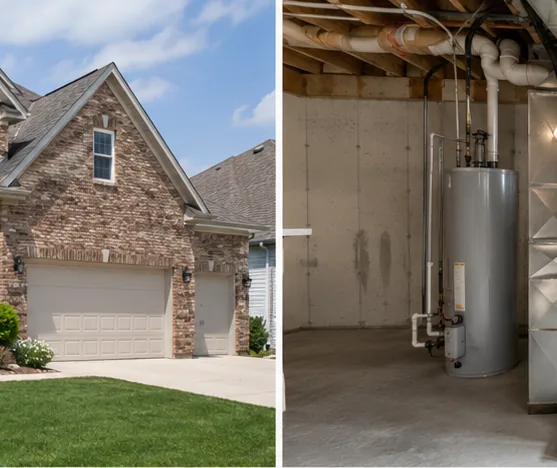
The report is leverage, not a wish list. Lead with the executive summary, then the safety and major-defect tiers — those are what a listing agent takes seriously. Burnsville buyers routinely negotiate concessions or repair credits on a failing furnace, an aging water heater, a Federal Pacific panel, or a bellied sewer line. Decide early whether you want repairs done before closing or a credit to do them yourself; credits are usually cleaner. Your agent presents the documented findings to the listing side inside the contingency window. For cost context that helps you frame those conversations, see cost factors and the Burnsville inspection cost page.
Should You Ever Waive Inspection?
In a hot market it is tempting to waive inspection to win. On Burnsville's 1965–1995 housing stock, that is a genuine gamble — aluminum wiring, Federal Pacific panels, polybutylene plumbing, and aging sewer laterals are exactly the items a waiver hides. A smarter alternative is an information-only or pre-offer inspection: you get the knowledge while shortening or removing the formal contingency, making your offer competitive without flying blind. We can often turn these around quickly — call us before you write the offer.
A First-Time Buyer's Checklist
- ☐ Get pre-approved before you shop
- ☐ Line up an inspector before you write an offer (call us so we can hold a slot)
- ☐ Book inspection within 24–48 hours of acceptance
- ☐ Add radon on every home; add sewer scope on pre-1985 homes
- ☐ Attend the inspection and the final walk-through
- ☐ Confirm permit history on decks, finished basements, and additions
- ☐ Triage the report by severity tier before negotiating
- ☐ Decide: repairs vs. credit
- ☐ Verify agreed repairs at the final walkthrough
Financing, Appraisal, and How the Inspection Fits
The inspection is one of three parallel diligence tracks, and confusing them costs buyers leverage. The appraisal is the lender's valuation — it protects the bank, not you, and an appraiser may spend twenty minutes confirming the home is worth the loan. The underwriting track verifies your finances. The inspection is the only track that exists to protect you, the buyer, by evaluating condition and safety. Because the inspection contingency window is the shortest and earliest of the three, it deserves your first attention the moment your offer is accepted. Some loan types (FHA, VA) add their own minimum-property-standard requirements on top of your inspection; a Federal Pacific panel or a roof at end-of-life can become a financing issue, not just a negotiation one — another reason to inspect early. The base inspection scope is detailed in the ultimate home inspection guide, and cost drivers in cost factors.
Red Flags to Watch on a Burnsville Showing
Before you even write an offer, a walkthrough with your eyes open can flag homes that will need heavy diligence. None of these are deal-killers on their own, but each tells you what to budget for and what add-ons to plan:
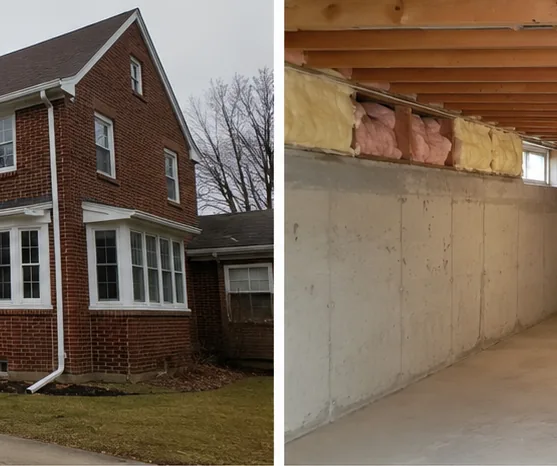
- Fresh paint on one basement wall only — sometimes covers efflorescence or a moisture stain.
- An older split-level with the original panel — assume an electrical evaluation for aluminum wiring and Federal Pacific/Zinsco.
- Mature trees right over the sewer path — plan a sewer scope regardless of age.
- Ceiling stains near exterior eaves — possible ice-dam history.
- A deck with no visible permit sticker history — confirm permits before closing.
- Soil sloping toward the foundation — grading issues feed wet basements.
Bring this list to showings and you will write smarter offers and order the right inspection package the first time.
From Clear-to-Close to Keys
Once your inspection negotiations settle and underwriting clears, the last mile is mostly verification. Order any agreed repairs in writing, keep the receipts, and re-confirm them at the final walkthrough the day before or morning of closing — this is your chance to verify the seller actually replaced that water heater or fixed the panel. Confirm utilities will transfer, review the closing disclosure for accuracy, and bring your ID and certified funds. A buyer who inspected early, negotiated from a documented report, and verified repairs at the walkthrough closes with no surprises. After you have the keys, your inspection report becomes a maintenance roadmap — pick it up again in the ultimate home maintenance guide.
Related Burnsville Resources
- Ultimate home selling guide — the other side of the table
- Ultimate home maintenance guide — for after you close
- Burnsville inspection checklist
- Your Burnsville home inspector
- See a sample report · FAQ · Contact
- Home inspection service · Service area