The Ultimate Burnsville Home Maintenance Guide (2026)
The 100-word answer: Maintaining a Burnsville home is mostly about managing the Minnesota freeze-thaw cycle and the local clay-till and bluff soils. The three highest-impact habits: keep gutters clear and grade water away from the foundation to stop ice dams and basement seepage; test the sump pump (with a battery backup) before the spring melt; and service the furnace before the first hard freeze. Layer in era-specific upkeep — watch the panel and mechanicals on 1965–79 splits, the polybutylene plumbing and aging furnace on 1980s–90s colonials — and a periodic maintenance inspection. Get a free quote in under 60 seconds. Call 218-600-2938.

What's in this guide
- The Burnsville maintenance mindset
- Fall: prep for the freeze
- Winter: ice dams & indoor air
- Spring: melt & water management
- Summer: roof, exterior, cooling
- The basement-water defense system
- Era-specific upkeep
- System lifespans & budgeting
- The exterior envelope
- Ten-minute monthly quick wins
- DIY versus calling a pro
- FAQ
The Burnsville Maintenance Mindset
Most Burnsville home damage traces back to two forces: water and the freeze-thaw cycle. The Twin Cities frost line runs 42–60 inches deep, water expands roughly nine percent when it freezes, and that expansion is what cracks concrete, heaves slabs, lifts walkways, and pries open foundation joints. The clay-till soil under much of Burnsville holds water against the foundation; the outwash sands near Buck Hill settle; the bluff soils in River Hills shift. Good maintenance is, more than anything, water management — keep water away from where it can freeze, pool, or seep, and you prevent the majority of expensive problems. The defect patterns this prevents are catalogued in the findings library.
Fall: Prep for the Freeze
Fall is the single highest-leverage season. Knock these out before the first hard freeze:
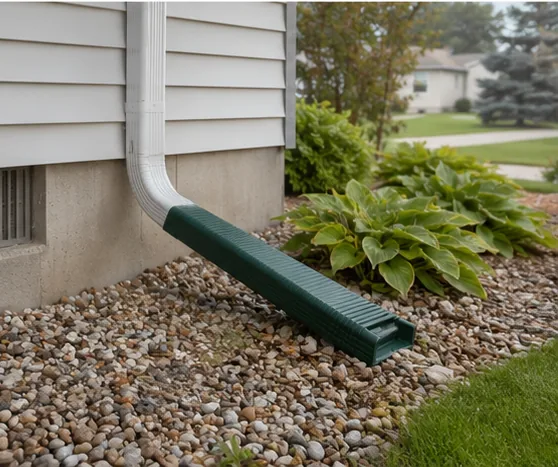
- ☐ Clean gutters and downspouts; extend discharge 4–6 ft from the foundation (prevents soffit/fascia rot and basement seepage)
- ☐ Service the furnace, replace the filter, and have the heat exchanger checked — see HVAC inspection
- ☐ Disconnect hoses and shut off exterior faucets to prevent freeze-burst
- ☐ Reseal driveway and walkway cracks before water gets in and freezes
- ☐ Check attic insulation depth and ventilation to head off ice dams
- ☐ Test smoke and CO detectors; replace batteries
Winter: Ice Dams & Indoor Air
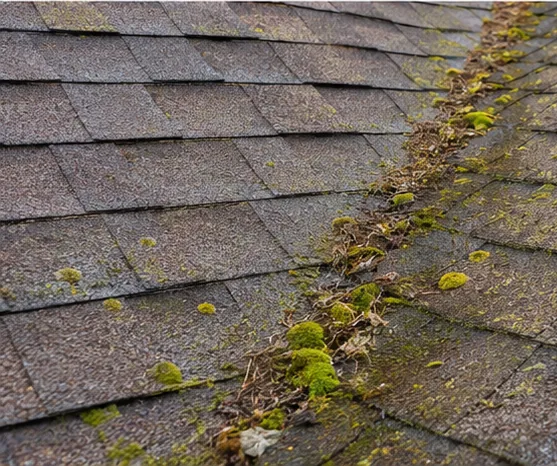
Ice dams are Burnsville's signature winter failure. Attic heat melts roof snow, the meltwater runs to the cold eave and refreezes, and the growing dam backs water up under the shingles and into the ceiling. The fix is not heat cables — it's a cold, well-ventilated attic: adequate insulation, balanced soffit-to-ridge airflow, and sealed attic bypasses where warm household air leaks up. North-facing eaves on 1965–79 split-levels are the classic trouble spot. In winter also watch indoor humidity (too high causes window condensation and attic moisture; too low is uncomfortable) and keep exhaust vents — bath fans especially — terminating outside, not into the attic, which is the leading cause of attic mold.
Spring: Melt & Water Management
Spring melt is when basements flood, so the sump system is the star.
- ☐ Test the sump pump: pour a bucket of water in the pit, confirm it activates and discharges
- ☐ Verify a battery backup — a power outage during melt is exactly when you need it
- ☐ Walk the foundation: re-grade any soil that has settled toward the house; address improper grading
- ☐ Inspect the roof and flashing for winter damage
- ☐ Check the foundation and basement for new cracks or moisture after the thaw — see wet basement causes
- ☐ Clear gutters again after the trees finish dropping
Summer: Roof, Exterior & Cooling
Summer storms and heat shift the focus to the exterior and the AC.
- ☐ Inspect the roof for granule loss, lifted shingles, and storm damage — see roof inspection
- ☐ Clean the AC condenser coil and clear vegetation around the unit; replace the filter
- ☐ Touch up exterior paint and caulk; check LP/Masonite siding bottoms for swelling
- ☐ Reseal decks and check ledger flashing — a recurring issue on post-2010 builds
- ☐ Trim trees and roots away from the home and the sewer-lateral path (see the sewer scope guide)
The Basement-Water Defense System
Because clay-till holds water against the foundation, Burnsville basement protection is a layered system. Working from outside in: (1) grading that slopes away from the house; (2) gutters and extended downspouts that move roof water far from the foundation; (3) foundation crack sealing to close entry points; (4) a working sump pump with battery backup as the last line of defense. Skip any layer and the others work harder. If you see efflorescence (white mineral staining) on basement walls, that is a moisture signal worth investigating — and a foundation inspection can map where the water is getting in.
Era-Specific Upkeep
| Era | Watch | Maintenance priority |
|---|---|---|
| 1965–1979 splits | Panel, aluminum wiring, cast-iron drains | Have the electrical system evaluated; budget for mechanical updates |
| 1980–1995 colonials | Polybutylene plumbing, aging furnace | Monitor supply lines; plan furnace/water-heater replacement |
| 1996–2010 | Siding, decks, grading | Reseal decks, repaint, maintain drainage |
| Post-2010 infill | Deck flashing, slab cracks, HVAC charge | Use the builder warranty window; reseal and re-grade |
System Lifespans & Budgeting
Maintenance is partly a calendar and partly a budget. Knowing typical service lives helps you plan replacements before they become emergencies:
| System | Typical service life | Burnsville note |
|---|---|---|
| Asphalt shingle roof | 15–25 years | Hail and ice-dam exposure shorten the upper end |
| Furnace | 15–20 years | 1980s–90s high-efficiency units now at end-of-life |
| Water heater | 8–12 years | Hard water can shorten life; watch for corrosion |
| Central AC | 12–18 years | First-wave units often undersized after additions |
| Sump pump | 7–10 years | Keep a backup; replace proactively before melt season |
| Sewer lateral (clay/cast iron) | 50–60 years | Pre-1985 lines are at or past life — see the sewer scope guide |
A periodic maintenance inspection turns this from guesswork into a prioritized plan. It catches small problems early, gives you a documented baseline, and keeps your eventual buyer's inspection report short — which connects directly to the selling strategy. The full inspection scope is in the ultimate home inspection guide.
The Exterior Envelope: Your First Line of Defense
Everything that keeps Burnsville's weather out of the house lives on the exterior envelope, and small lapses here become large interior problems. Walk the perimeter twice a year and look at the system as a whole: the roof sheds water to the gutters, the gutters carry it to downspouts, the downspouts and grading carry it away from the foundation. A failure anywhere in that chain — a clogged gutter, a disconnected downspout, settled soil — redirects water exactly where you don't want it. Pay attention to the siding too: Burnsville's 1980s–90s LP/Masonite hardboard swells and rots from the bottom course up when it stays wet, and caulk joints around windows and trim are the cheap repair that prevents expensive water intrusion. Re-caulk, touch up paint, and reseal the deck on a regular cycle; these are the tasks that quietly preserve the home's structure. When something looks beyond a homeowner fix, a targeted roof inspection or full home inspection gives you a documented assessment.
Ten-Minute Monthly Quick Wins
Not all maintenance is seasonal. A handful of small monthly habits catch problems while they are still cheap:
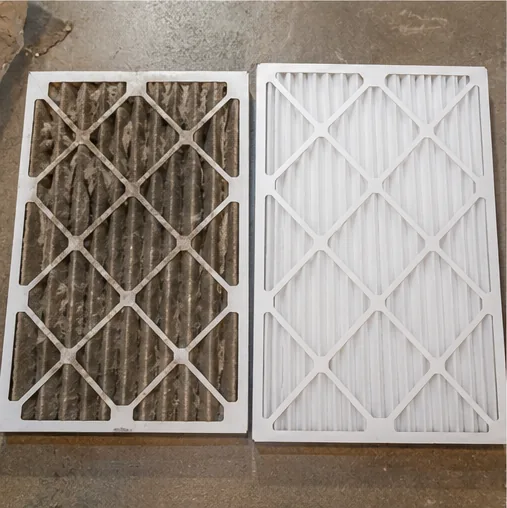
- ☐ Glance at the furnace filter; replace when gray
- ☐ Check the water heater and under-sink connections for drips or corrosion
- ☐ Run water in seldom-used drains to keep traps full and block sewer gas
- ☐ Test a GFCI outlet with its test button
- ☐ Look at the basement floor and walls for new moisture or staining
- ☐ Listen for a sump pump that short-cycles or runs constantly
- ☐ Confirm smoke/CO detectors still have power
These take ten minutes and turn the kind of slow failures that fill an inspection report into items you fix before they spread. Many of them map directly to the most common findings in our findings library.
DIY Versus When to Call a Pro
Knowing where to stop is part of good maintenance. Filter changes, gutter cleaning, caulking, downspout extensions, detector batteries, and sump testing are squarely homeowner territory. But several Burnsville-common items are worth a professional from the start: anything involving the electrical panel (especially aluminum-wiring connections or a Federal Pacific/Zinsco panel), gas appliances and furnace heat exchangers, roof work above a single story, and structural foundation movement. A useful rule of thumb: if a mistake could cause a fire, a gas leak, a fall, or water inside a wall, hire it out. And when you simply want an objective, documented assessment of where the home stands — without buying or selling — a periodic homeowner inspection gives you a prioritized punch list and a baseline you can track year over year, which feeds straight into the selling strategy when the time comes.